11 June 2026
From Policy to Plate: Making school food standards work

In the fifth blog in our series on the proposed updates to England's School Food Standards, Food Foundation consultant Holly Gabriel turns her attention to the question that matters most: how do we make the standards work in practice?
Successful school food transformation is about much more than individual ingredients. As we explored in our previous blog on beans and pulses, lasting change happens when schools take a whole-school approach, which means bringing together school chefs, caterers, teachers, parents and young people to shape a culture where nutrition, food education and eating together are valued across the whole school community.
From pupil voice and lunchtime length to caterer training and an inclusive food offer, this blog explores the practical steps needed to turn ambitious standards into meaningful improvements in children's health, wellbeing and learning.
Healthier options can be popular
Changing school food inevitably brings some uncertainty about how these changes will be received by pupils. For caterers and school leaders, change that is unpopular or too fast carries the risk of reducing uptake of meals as more pupils opt for packed lunches or buying food elsewhere.
But healthier, tastier school meals can and should be a positive for uptake of school meals. Case studies from schools across the country demonstrate that making food healthier actually increased uptake by as much as 90%.
Children's food choices are often judged by what they select and how much food is left on their plates, but these measures do not tell the whole story. Through conversations with children, FixOurFood research found that many factors influence meal choices, including how much time students have to eat, whether they would rather be outside playing, the influence of friends, and the overall dining environment.
Putting Young People at the Centre
There is a real need to listen to young people when implementing school food standards. Pupils are more likely to accept and enjoy healthier meals when they have been involved in shaping them.
Activities such as tasting sessions, student food ambassador programmes and menu co-design can help schools introduce new ingredients, including pulses and wholegrains, while maintaining meal uptake. Rather than viewing children as barriers to change, schools should recognise them as partners in creating healthier food environments.
Evidence from the FixOurFood programme demonstrates the value of this approach. Working alongside caterers, local authorities, schools and children across Yorkshire, the programme co-designed school meals that were both more nutritious and more environmentally sustainable. Early findings suggest that these changes did not reduce meal uptake and, in some schools, uptake increased.
Young people can also provide valuable insight into the wider factors that influence food choices. Through the Bite Back in Schools programme, students identified practical barriers to healthy eating, including long lunch queues, limited time to eat and the dominance of grab-and-go options.
Together, these examples show that pupil voice is not an optional extra, but a key ingredient in making school food standards work in practice.
Lunchtime logistics can have a major impact on what children choose to eat
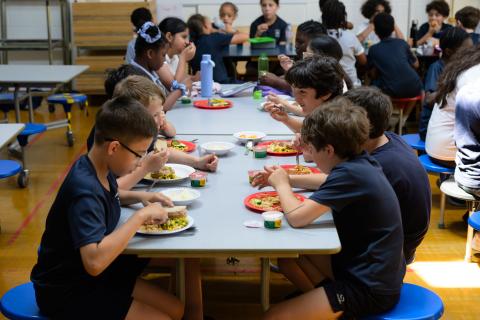
From caterers to teachers and pupils, too-short lunch breaks have been raised as a barrier to delivering nutritious and enjoyable school meals. The length of school lunch breaks in the UK has been significantly reduced since 2006.
We have heard of lunch breaks as short as 25 minutes from students. This is not enough time to queue for lunch, sit, eat and socialise. Others told us that they just did not have enough time to eat and would end up throwing away food.
Whilst the structure of the school day is managed by schools themselves, pressures to cover the curriculum are eroding lunch times. The Government need to step in to redress this imbalance.
If pupils do not have enough time to access and enjoy their lunch, the nutritional quality of the food on offer becomes less relevant. Reviewing lunchtime organisation, ensuring sufficient time to eat and creating welcoming dining environments should therefore be considered an essential part of implementing the standards successfully.
For school food standards to be successful, they must work for all children
The proposed changes have the potential to reduce health inequalities by improving the quality of food available to children, particularly for disadvantaged backgrounds, who are often most reliant on school meals and experience higher rates of diet-related ill health.
Implementation must also recognise the diverse needs of pupils. Menus should reflect cultural and religious diversity, with schools supported to communicate changes in accessible and inclusive ways.
Consideration is needed for children with special educational needs and disabilities (SEND), including those with sensory sensitivities, autism or highly restricted diets. Research suggests that access to familiar "safe" foods can be crucial for some children's wellbeing, meaning a rigid approach to implementation could inadvertently exclude those who would benefit most from school meals.
Schools should therefore be supported to make reasonable adjustments for students who need them, whilst working closely with families and pupils who need more support to adapt to the new foods without compromising on the standards.
Equally, older pupils are more likely to disengage from school meals if changes feel imposed upon them, highlighting the importance of involving young people in menu design and decision-making. Ultimately, successful implementation requires flexibility, inclusivity and a commitment to ensuring that every child can access and enjoy a nutritious school meal.
More than the menu
Schools are a powerful tool for supporting children's health and wellbeing, and improving educational outcomes, but these benefits can only be realised if all children are able and willing to take part.
By taking a whole-school approach that values equality, pupil voice and shared ownership, healthier school food becomes embedded in everyday school life rather than viewed as another policy requirement. This means creating a school food culture that is inclusive, welcoming and responsive to the needs of the communities it serves.