04 June 2026
Could beans be the secret ingredient to better school food?
In the fourth blog in our series on the proposed updates to England’s School Food Standards, Food Foundation consultant Holly Gabriel turns her attention to beans and pulses. In our previous blog, we explored the case for reducing processed meat in school meals. The question is: what should replace it?
Enter the unsung heroes of healthy and sustainable diets. Beans, lentils and pulses are packed with fibre, protein, iron and other essential nutrients. Despite being a known contributor to a longer life expectancy they remain dramatically under-consumed in the UK.
They are affordable, a cornerstone ingredient for many cuisines, versatile and environmentally friendly, making them one of the few foods that can simultaneously support children's health, school budgets and climate goals.
The proposals would increase the role of pulses in school meals by requiring a pulse portion with all menu options once a week (excluding baked beans) and making pulses the protein source in vegetarian meals on at least three days a week.
In this blog, we explore why increasing beans and pulses in schools matters, address some of the common concerns around pupil uptake and food waste and look at the evidence showing how schools can successfully introduce more beans and pulses while keeping children excited about school meals.
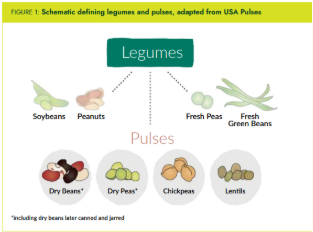
Source: The Food Foundation (2025), Bean Facts, p.10
The health case for more beans
Diets low in beans and pulses are associated with up to 9,000 premature deaths in the UK every year, while people who eat very few beans are significantly more likely to fall short on key nutrients including iron, zinc, magnesium and potassium.
Beans and pulses pack a powerful nutritional punch. They are a good source of fibre, low in saturated fat, contribute to your ‘5 a day’ and provide valuable plant-based protein and iron.
However, the UK's bean consumption is far from diverse. Haricot beans, lentils, chickpeas and kidney beans account for around 90% of all beans eaten by children, with half of children's total bean intake coming from the old favourite, baked beans.
Not just good for our health
Beans and pulses are one of the most environmentally sustainable foods we can eat. Compared with meat, beans require far less land and water to produce and generate only a fraction of the greenhouse gas emissions.
They also naturally improve soil health by fixing nitrogen, reducing the need for synthetic fertilisers – a particularly important consideration at a time when the war in Iran is driving up fertiliser costs and food prices.
Increasing beans on school menus offers a rare win-win-win: better health for children, lower food costs for caterers and a step towards companies meeting their net zero targets.
The fact is, we just aren’t eating enough
With 96% of 11 to 18 year olds and 86% of 4 to 10 year olds are not meeting fibre recommendations. Fibre supports digestion and lowers the risk of chronic diseases, such as bowel cancer. Health organisations including The British Heart Foundation, World Cancer Research Fund, and Diabetes UK all endorse beans for disease prevention.
Bean consumption among young people is low, with secondary school pupils eating the equivalent of just two-thirds of a portion per week, around half the amount consumed by primary school children. Baked beans account for around 50% of children's bean intake and can be an important gateway to eating more pulses. However, they can be relatively high in sugar and salt, so the proposed standards aim to encourage a wider range of beans and pulses, including lentils and chickpeas, to support a more diverse and nutritious diet.
"They just won’t eat them!"
Concerns that children will reject beans and pulses, either by avoiding school meals or leaving food uneaten, can be addressed through thoughtful implementation. Successful initiatives such as Give Peas a Chance in Aberdeen and Full of Beans in Birmingham did not simply add pulses to menus.
Instead, caterers incorporated them into familiar dishes, helping pupils become familiar with them without dramatically changing the food on offer.
Taste, presentation and pupil engagement were key. Pulses were most popular when incorporated into well-seasoned, familiar dishes, while tasting sessions, classroom activities and pupil feedback helped build confidence and improve recipes.
Similarly, early findings from the FixOurFood project found that introducing more beans and pulses across five Bradford primary schools did not reduce meal uptake and, in some cases, increased it. Pulse-based dishes in familiar formats, such as Indian-style sausage rolls and "hidden ingredient" pizza, proved particularly popular.
This is not about children being "fussy eaters". Many pupils are reluctant to spend limited lunch money on unfamiliar meals. Schools have successfully addressed this through pupil involvement and tasting sessions, helping children try new foods without the risk of wasting money.
Beans and pulses support financial sustainability and healthy eating
Beans are one of the few foods that benefit both health and budgets. They cost around 4.5 times less per 100g than plant-based meat alternatives and substantially less than meat.
The UK grows around 800,000 tonnes of beans each year, yet most are exported or used as animal feed, while we still import around 500,000 tonnes for human consumption. Increasing bean consumption could therefore support both school budgets and British farming.
For schools facing rising food costs, beans and pulses offer an affordable source of protein that can improve nutrition while reducing ingredient costs. Their inclusion in the standards gives caterers the confidence to introduce more pulse-based dishes.
Research from the FixOurFood project looking at 18 Yorkshire primary schools found that replacing some red meat and dairy with beans and pulses was cost-neutral overall, with some recipes costing up to 55% less.
These findings are supported by a trial conducted by ISS, a contract caterer, who introduced a blend of beef and lentils in a range of beef dishes in more than 250 primary schools. The blended recipe was better for the environment, better for children’s health, and cost approximately 30 percent less than the original beef dishes.
The humble bean is having a well-deserved moment
Increasingly, beans and pulses are being recognised internationally as a cornerstone of healthy, affordable and climate-friendly diets.
Introducing a wider variety of beans and pulses in school meals would do more than improve children’s diets, it helps them become familiar with new foods, broadening tastes and laying the foundations for healthier eating habits in the future.
Initiatives exist to support schools wanting to serve more beans, such as Veg Power’s ‘The Big Bean Boost’ which provides primary schools with resources, tools and support to get kids excited about eating beans.
Like many of the changes to the standards, pupil and parent engagement, support for schools and caterers and effective communication will be key to their success. We’ll be exploring more of these practical challenges and solutions in next week’s blog.