How the quality of school food can be improved to increase uptake
School food is one of the greatest untapped opportunities in children’s health and wellbeing policy.
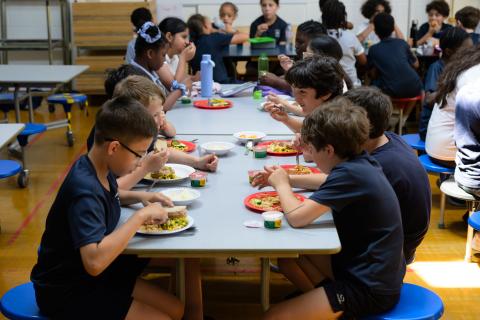
Every single school day, millions of children sit down to eat together - a captive moment to nourish growing bodies, build good habits, and show young people that healthy food can be delicious. Yet too often, that opportunity is squandered. Now is a critical opportunity to change that.
Today, the government has announced a consultation on updating school food standards, marking the first time they have been reviewed since 2015. The consultation closes on 12 June 2026. You can respond online via the DfE consultations portal here.
The standards need to reflect the latest evidence on nutrition, be matched with real support for schools to deliver, and - critically - be shaped by the views of the young people who actually eat the food.
In addition, today alongside four other of the UK’s leading food and education organisations, Bite Back, Chefs in Schools, Jamie Oliver Group, we have joined forces to launch the School Food Project - a groundbreaking partnership will support schools to transform school food within budget, improve food education and serve delicious meals to students up and down the country.
The School Food Project’s holistic programme of support aims to turbo charge the government's new policy commitments and make sure they deliver real impact on children’s lives.
This will include free training for school chefs, the setting up of Beacon Schools across the country, centres of excellence in school food and food education, and the launch of the School Food Project Hub, an online resource offering an array of practical support for caterers, chefs and the wider school community.
For more information, click here
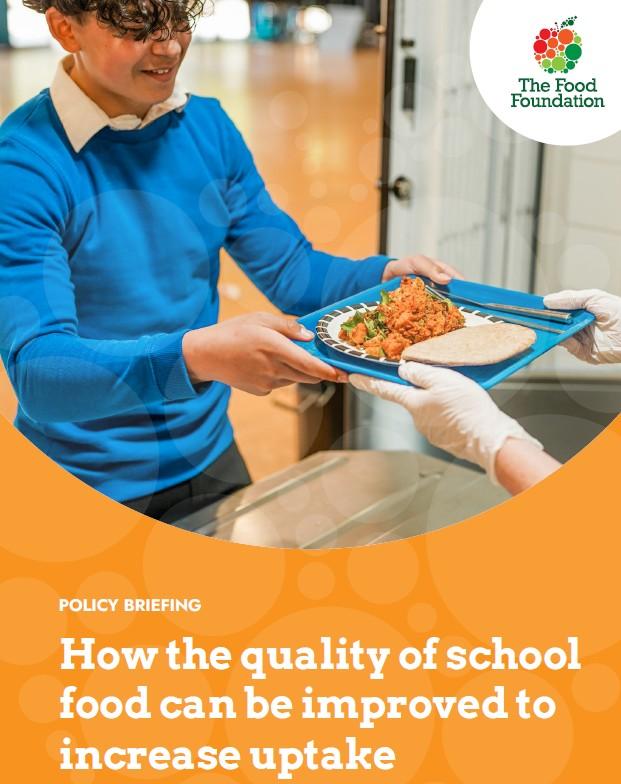
Today, we've also published a new briefing showing how improving the quality of food leads to more children eating school food and demonstrating that this is what young people need.
The briefing brings together two powerful bodies of evidence to make that case. First, the experiences and voices of young people themselves - what they are currently being served, why it matters to them, and what they want to change.
Second, case studies from schools across the country that have already transformed what they serve - going further and faster on healthy food than current standards require.
The result of these changes has been more children eating school meals, not fewer. Across every school studied, making food healthier increased uptake - in some cases from as low as 28% to as high as 90%.
Better food is more popular food. We also take a deep dive on beans as this is an area where there is huge potential to make school food healthier and more sustainable.
The launch of the school food standards consultation and the announcement of the School Food Project come at a pivotal time for school food.
In September 2026, universal breakfast clubs will be rolled out and all children in England from families receiving Universal Credit will be eligible for Free School Meals, benefiting over half a million additional pupils.
This represents a unique opportunity to directly improve children’s diets at national scale, embed food education into the school day and make school food a source of national pride.