07 October 2026
Good Food Neighbourhoods: food security through place-making
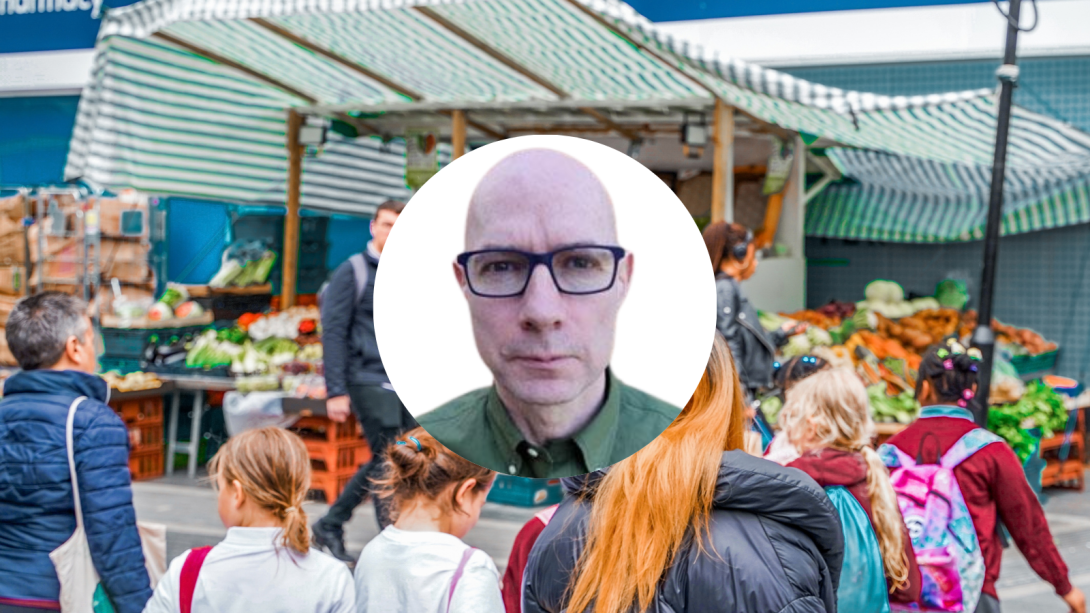
As the government announces £10 million for Good Food Neighbourhoods across England, our Place‑based Food Systems Manager Leon Ballin shares why transforming food in collaboration with local communities has the potential to reduce food insecurity, boost local economies and health.
Everyone should be able to live in A Good Food Neighbourhood, so we very much welcome the announcement that this government is investing £10 million across 45 local communities in England to ensure ‘Good food shouldn't be out of reach’.
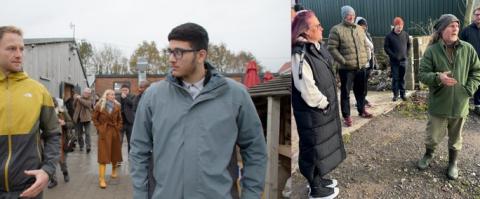
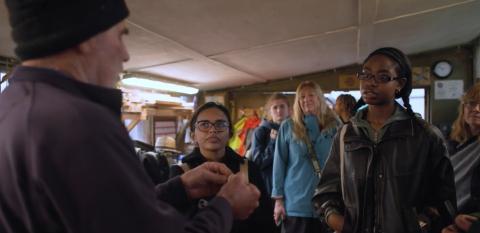
The new funding is an important first step in breaking the link between deprivation and diet-related poor health. It is designed to meet local needs, reflecting the excellent work of the Citizen Advisory Council, whose members were drawn from The Food Foundation Ambassadors programme and the Food, Farming and Countryside Commission’s The Food Conversation. Those citizens’ voices were heard and acted on through the Good Food Neighbourhoods funding, as Ruth and Penny’s responses below show.
“You can’t just do a blanket policy for the whole country. What works in Cornwall will not necessarily work in London, or elsewhere. The government should be focused in a way that suits the people of that area.” — Ruth, Citizen Advisory Council Member
“Some of our north-east region is included in this work. It feels like, for once, the power that is has listened to what we have to say and worked on it. The reason I have kept on with the Citizen Advisory Council is because it wasn’t just a tokenistic group. It actually does real work.” — Penny, Citizen Advisory Council member
An essential criterion of a Good Food Neighbourhood is that it must give residents access to affordable, healthy and culturally appropriate food. The Department for Environment, Food & Rural Affairs has said that this funding will ‘support initiatives such as community food shops, mobile greengrocers, lunch clubs, community kitchens, and cooking and nutrition programmes’.
These community initiatives are vital in offering dignified, socially inclusive support to residents experiencing food insecurity. We hope the government will support, connect and advise the 45 local authority grant recipients, drawing on UK best practice. Councils receiving Good Food Neighbourhoods funding should look to organisations such as Feeding Britain, The Bread and Butter Thing, Hubbub and FoodCycle for guidance. Practical and policy advice is also available from leading campaign organisations such as Trussell and the Independent Food Aid Network.
The Food Foundation would, however, like to see the concept of Good Food Neighbourhoods go even further and move beyond that essential community offer. A strategic approach to local food needs to be coordinated within local authorities and across the community and business sectors. A strategic, joined-up approach harnesses the power of a shared vision, avoids duplication and prevents a ‘postcode lottery’ of provision. The impact of Good Food Neighbourhoods funding can be amplified by coordinating its delivery with other place-based funding initiatives, including Pride in Place and the Crisis and Resilience Fund. Once they are better coordinated, place-based food initiatives should also follow the four pillars of the National Food Strategy’s ‘Good Food Cycle’: healthier and more affordable food, good growth for the food sector, a resilient and sustainable food supply, and vibrant food cultures. With the right coordination and governance in place, such as local food plans, food partnerships and neighbourhood boards, any city, town, county or borough can develop resident-led, inclusive and prosperous local food systems.
Birmingham, a Good Food Neighbourhood grantee and the UK’s largest unitary authority, exemplifies this coordinated approach through its food strategy and food partnership.
“What excites me most about this funding is the opportunity it creates. In many places, the challenge isn’t a lack of ideas, it’s having the capacity, coordination and local partnerships to turn those ideas into action. There’s a huge amount of knowledge and experience across the UK, and if areas can learn from one another, this investment could accelerate progress and unlock impacts far beyond the funding itself. In Birmingham, we’ll use this opportunity to build on the strong foundations already in place, while creating space to innovate, overcome barriers and develop more sustainable solutions that deliver lasting benefits for communities.” — Sarah Newton, Food System Lead (Public Health), Birmingham City Council
Birmingham is far from alone in taking a strategic approach to food, but across England the picture is still patchy. Joined-up action on food in your area shouldn’t be an option. A national Good Food Bill would ensure it becomes mandatory and enable local coordination to be backed up by a strategic, food-systems approach at a national level.
The flexibility of the Good Food Neighbourhoods funding is also an opportunity for councils to take a wider, food-systems approach and go beyond solely using community solutions to tackle food insecurity. Tailored government support and guidance to places receiving the funding would put councils in a position to best utilise planning, business and procurement levers at their disposal. This would help develop an independent local food economy that supports sustainable UK farming and delivers decent livelihoods.
Sharing best practice and benchmarking these whole food-systems approaches is also important and both Sustainable Food Places and Sustain’s Good Food Local can provide support. The Food Foundation’s ‘Urban Food Forum’ is a useful knowledge exchange network for local authority officers working to transform urban food environments, including Good Food Neighbourhoods. A successful food-systems approach should begin to reduce the need for emergency food provision overall. Radically lower levels of food insecurity would mean community initiatives could focus on residents growing, cooking and sharing food.
It is very difficult for communities to be prepared for food shocks and crises, or to stockpile, when already suffering food insecurity. A whole food-systems approach would form the connections and infrastructure necessary to build neighbourhood food resilience.
Food insecurity may have national and international causes, but it is at the neighbourhood level that residents must navigate it, and not just through community initiatives but via institutions, businesses and the places and services that people use in everyday life.
“On the council estate where I live, even today, you can buy blueberry vapes but not blueberries. This demonstrates how our food system can provide access to flavour without access to nutrition. People living with food insecurity are experts on how the failures of the food system are experienced on the ground, and their knowledge is essential if we are to address the inequalities that leave some communities surrounded by abundance while remaining excluded from it.” — Dominic Watters, Citizen Advisory Council member and PhD researcher at the University of Southampton
Ultimately, the success of the Good Food Neighbourhoods programme will depend on its ability to support long-term, place-based change. To help make this a reality, we encourage the government to support the 45 local authorities receiving the new funding with a broader food-systems concept of what makes a Good Food Neighbourhood. We also ask that people’s voices continue to be taken on board, as demonstrated by the work of the Citizen Advisory Council. We want to see the government continue engaging with people on the ground and experts by experience as the Good Food Cycle develops, creating solutions embedded in local knowledge of what works. The Food Foundation will continue to explore the concept of Good Food Neighbourhoods with support of the Nuffield Foundation but I’ll give the final word to one of those citizens.
“Experience, they say, is the best teacher, so bringing people with lived experience to the decision-making table produces the best answers to the problems.” — Wena, Citizen Advisory Council member

Related Content