17 July 2026
What's really on children's plates at school?
What's really on children's plates at school? How to make the Standards work in practice
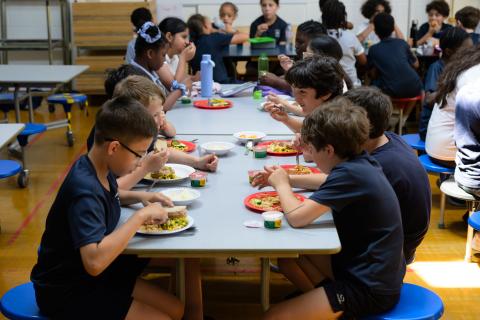
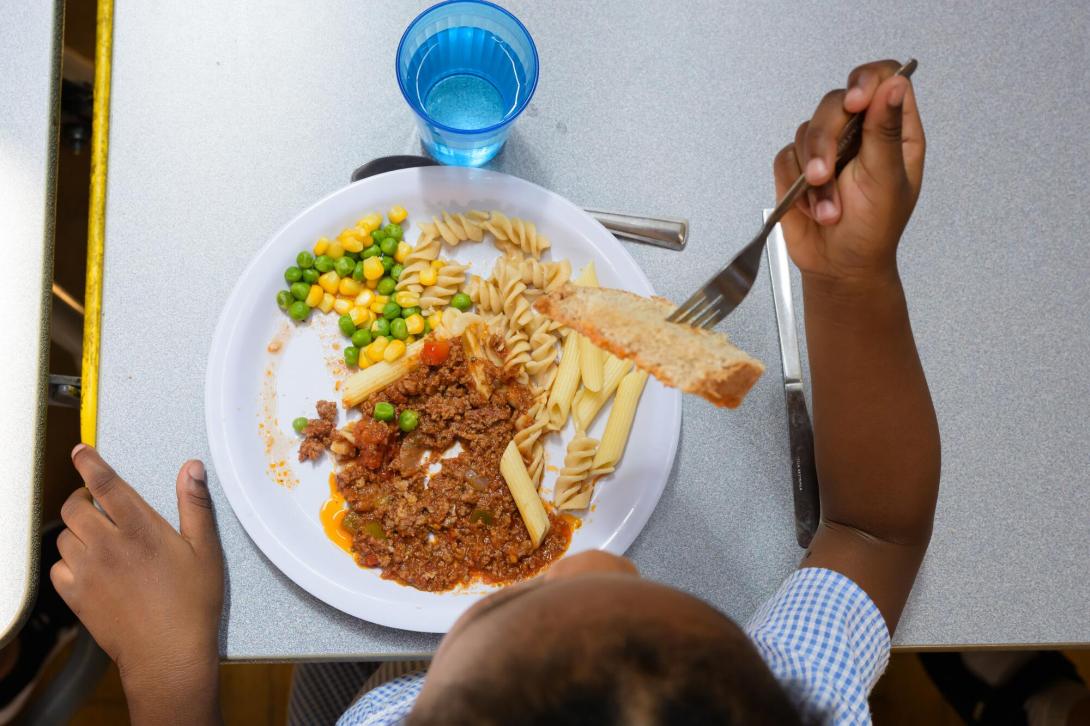
Every school day, millions of children sit down to a meal that's supposed to meet national nutrition standards. But how do we actually know what's on their plate? The Government’s consultation on the new School Food Standards for England is a critical step towards better school food, but it is just one element of the infrastructure needed to ensure children are eating tasty and nutritious meals at school.
In the sixth blog in our series, we’ll be exploring some of the other steps needed to improve school food, kick-starting with a deep dive into the importance of monitoring what children are actually being served.
Upcoming changes to school meals
The Government has made some significant commitments to improving school food over the past year. Expanding Free School Meals to all children in families receiving Universal Credit from September 2026, updating the School Food Standards for the first time in more than a decade, and committing to develop a new national system to monitor and enforce those standards together represent a major opportunity to improve children's health and wellbeing.
These are hugely welcome steps. Better standards have the potential to improve the quality of millions of school meals every day, while expanding Free School Meals means many more children will benefit from them.
However, writing better standards and expanding access is only part of the picture. To make a real difference, we also need to ensure that children are genuinely receiving the nutritious meals those standards are designed to deliver.
The importance of monitoring
The School Food Standards mandate what can and cannot be included on a school menu across the week. Caterers are responsible for planning menus to ensure that they comply with the standards, with overall compliance is currently sits with schools’ governing bodies.
However, there is currently no external monitoring of menus or what ends up being served in the canteen. Without monitoring, having an ambitious set of standards is undermined, and the ultimate goal of tasty, nutritious food that supports the health and education of children could be jeopardised.
Several studies suggest varying levels of non-compliance with the standards, particularly around limits on high fat, sugar and energy-dense foods, including desserts, and minimum requirements for starchy foods and oily fish. A study of 36 secondary schools found that just 64% of the standards were being met; none of the schools fully complied with the standards. In a study of 18 Yorkshire-based primary schools, similarly none of the schools were fully compliant with the school food standards tested. A pilot the Department for Education conducted alongside the Food Standards agency in 2022-23 in 18 local authorities also found examples of non-compliance.
From Standards to Practice: An Accountability Framework for Better School Food Compliance
The Department for Education's commitment to introducing a national monitoring and enforcement system alongside the updated School Food Standards is therefore an extremely positive development.
To help inform that work, the Food Foundation, alongside other members of The School Food Review, have produced a new report From Standards to Practice: An Accountability Framework for Better School Food Compliance.
The report sets out eleven practical recommendations for building a monitoring system that works for schools while ensuring children benefit from the Government's investment in school food.
The recommendations aim to:
- make sure every school has clear leadership and responsibility for school food;
- introduce appropriate external checks that support accountability;
- independently assess whether school food standards are being met in practice; and
- provide schools with the tools, guidance and support they need to succeed.
Together these recommendations can support improvement, recognise good practice, and help ensure the updated School Food Standards are delivered consistently across the country.
Building on promising steps from Government
There are already promising steps from Government that can be built on further.
The School Food Standards consultation proposes schools appoint a lead governor for school food and publish their food policies and menus online. Having someone at governance level responsible for school food helps ensure it receives the attention it deserves alongside other important aspects of school life such as safeguarding, attendance and pupil wellbeing. It creates clear ownership and makes it much easier for schools to identify priorities and drive continuous improvement.
Just as importantly, these governance arrangements should be reflected within Ofsted inspections. This is not about asking inspectors to assess individual meals, but rather check that schools have the right leadership, policies and oversight in place to ensure they are meeting their responsibilities. Simply asking whether there is a named governor responsible for school food, whether a whole-school food policy exists and whether schools review their provision would help embed food as an important part of school leadership without creating unnecessary additional burden.
Another recommendation that could make a transformational difference is introducing a national school food audit, overseen by the Food Standards Agency. The proposed audit would build on the successful pilot already carried out by the Department for Education and the Food Standards Agency. By incorporating simple checks into existing Environmental Health Officer visits, the system could provide independent assurance while minimising additional work for schools, building a reliable national evidence base that helps government understand how school food is being delivered across England, target support where it is needed most, and ensure public investment is delivering the greatest possible benefit for children.
At present, there is no national picture of how well schools are complying with the School Food Standards. That makes it difficult to understand where schools may need additional support, identify common challenges or celebrate examples of excellent practice.
Together with school self-assessment tools, annual reporting and appropriate support for schools, independent audits would create a balanced system that combines accountability with improvement.
Looking ahead
The Department for Education has already shown real ambition through its commitment to expanding Free School Meals, updating the School Food Standards and commitment to developing a national monitoring system. We are delighted to see these commitments and believe they represent a once-in-a-generation opportunity to improve children's health, wellbeing and educational outcomes.
As the Department develops its new monitoring framework, we hope the recommendations set out by the School Food Review can help shape a system that is practical for schools, proportionate in its approach and focused on continuous improvement. It’s essential that the Department for Education facilitate knowledge-sharing, establish templates and protocols that make this process as easy as possible for schools.
By embedding strong leadership within schools, introducing independent oversight and providing schools with the support they need to succeed, we can help ensure every child has access to the nutritious, high-quality meals they deserve.

Hannah joined the team in May 2026 as Senior Policy and Advocacy Officer working on school food, children's health and the early years. Previously, she worked at The British Academy on issues including food security, Net Zero and global health, and at USAID’s Bureau for Humanitarian Assistance tackling global food insecurity. Hannah holds an MSc in Africa and International Development from the University of Edinburgh, where she undertook a research project focused on improving the provision of food and education for female-headed households in Kakuma Refugee Camp. Outside work, she enjoys cooking nutritious food, reading, exploring independent coffee shops, and seeing the world through her toddler’s eyes.

Tilda joined the Food Foundation’s Peas Please team in June 2022 as a Citizen Engagement Officer, to support the Veg Advocates to deliver local initiatives that drive up veg consumption. After graduating, her passion for food and people led her to volunteer at a local youth group, where she was cooking and creating games for teenagers. She went on to work for a range of NGOs, where she was advocating for young people facing challenges in the care, asylum and criminal justice systems. Throughout this work, Tilda became passionate about the power of people and grassroots organisations to change systems. In her free time Tilda loves to swim, chat, cook and eat.