22 September 2026
'Healthy food shouldn't be a luxury'
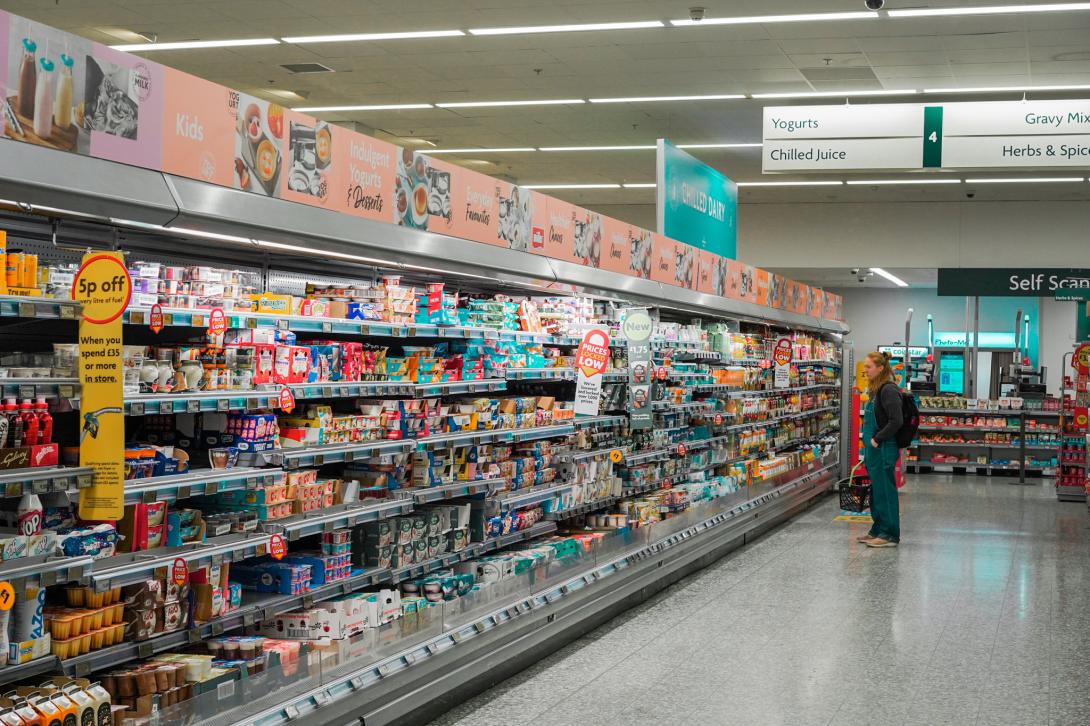
In part two of our new cost of living blog series, we sat down with Food Ambassador Tsz to talk about the realities of food poverty, the barriers to healthy food, and why citizen voices need to be part of the solution.
For midlands-based Tsz, the cost of living crisis is about more than seeing higher prices at the supermarket. It’s about the growing gap between what people earn and what they need to live securely.
"Even people who are working can struggle to afford basic needs," he says, “If food, rent, energy, and transport rise faster than wages, people have less money and security."
Though steeper living costs affect all aspects of life, Tsz notes how food is often the first place where people feel that pressure: “Rent, energy and transport are difficult to reduce quickly, so food becomes one of the few costs people can change. This can mean smaller portions, less variety, or choosing cheaper and less nutritious meals," he said.
Like many workers in the UK, it can be difficult for Tsz to find the time to cook food from scratch, which he points out as one of the only ways you can eat healthily.
Time-saving healthy ready meals are far and few between, and those that do exist are much too expensive. In his wider community, Tsz notes how health can become sidelined when choosing meals, particularly when people are already stretched for time and money.
"People often choose food based on price and convenience rather than health. Healthy ready-to-eat meals can cost more, while cheaper processed options are often easier to find," he said.
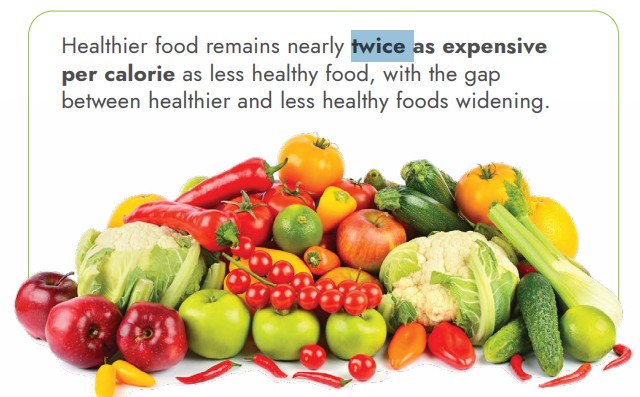
The barriers to healthy food don't stop at the price on the shelf. For some people, getting and preparing food can involve additional challenges: “The main barriers are price, time, transport and limited local choices. Some people also lack suitable cooking facilities, storage space or enough money to buy food in bulk," he said.
These challenges can become particularly difficult during periods of transition. Tsz explains: “Starting a job, moving home or leaving education can create a gap before someone receives their next income."
Again, in these times of instability, “Food is often one of the first things people cut back on,” he said.
For Tsz, this shows why conversations about food prices need to look beyond the supermarket to the wider systems in which food plays a crucial part.
“Food costs are also affected by farming, energy, transport, wages, packaging and extreme weather,” Tsz says.
Indeed, after the blistering series of heatwaves that left much of the UK in drought this summer, scientists are hypothesing that a Super El Nino is about to worsen food insecurity even further.
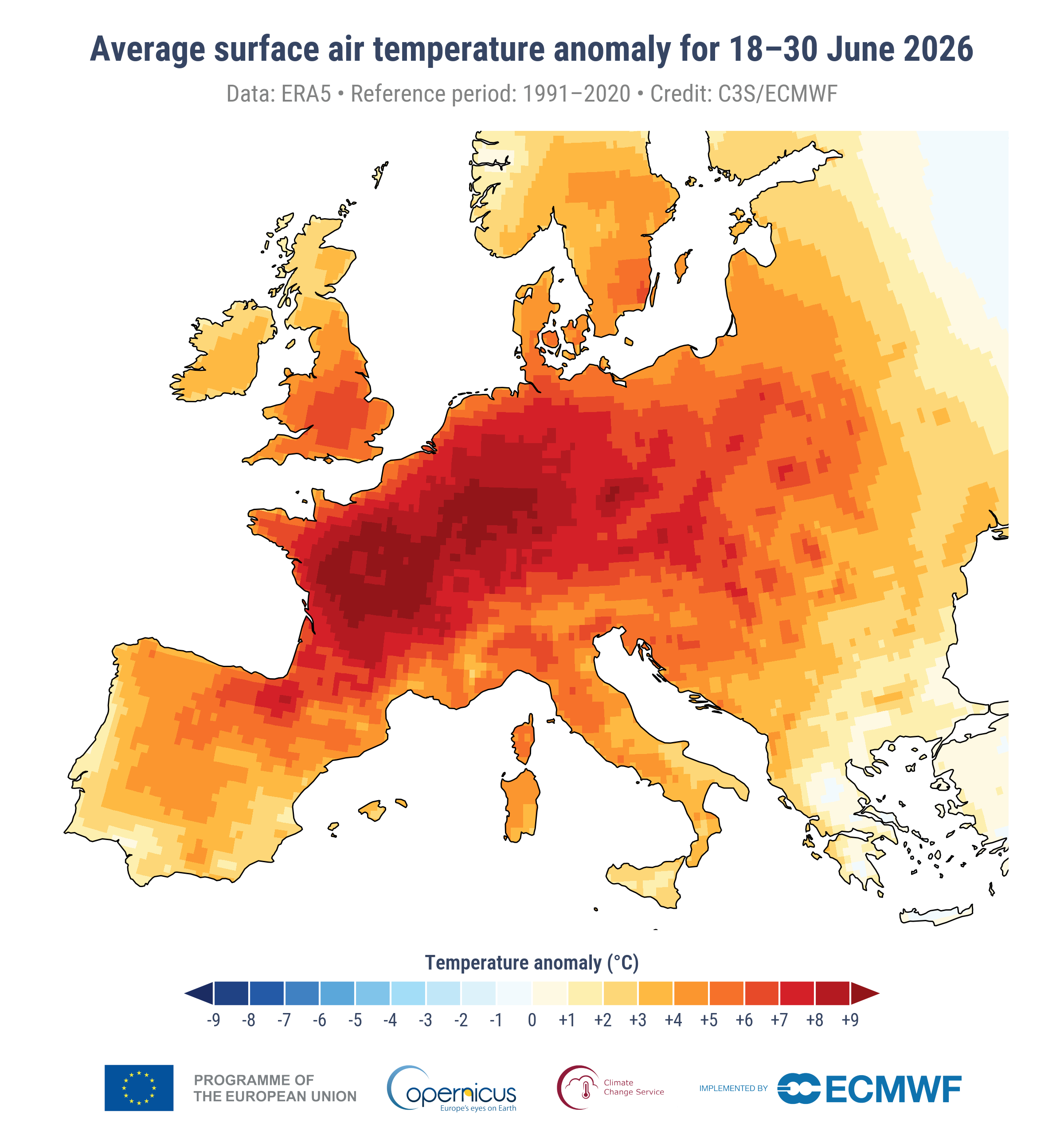
Source: Copernicus: Record heatwave brings hottest June for western Europe during second-warmest June globally | Copernicus
But Tsz doesn’t believe that supermarkets should be let off the hook. He thinks more attention needs to be paid to the way food is priced, promoted and made available. “We also need to ask why businesses often make unhealthy food cheaper, easier to find and more heavily promoted than healthy food," he said.
There also needs to be protection for citizen, as: “Even when inflation falls, food prices usually do not return to their previous levels. People can therefore remain worse off if their wages have not kept up."
This is why Tsz believes government support has an important role to play. Schemes such as Healthy Start and Free School Meals can help people afford nutritious food now, while longer-term changes could make healthier options more affordable and accessible.
On top of this, he argues that the food system itself needs to change. He suggests incentives for shops, supermarkets, and food businesses to promote and sell more affordable, healthier options, particularly in lower-income areas.
He’d also like to see more support for British farmers and for any emerging food policies to have clear targets to measure whether they are genuinely reducing food insecurity and improving access to healthy food.
The importance of measuring change is closely connected to why Tsz values citizen voices. “Statistics show how many people are struggling, but personal stories show what that struggle actually looks like,” he said.
Personal experiences can reveal things that national figures might miss. From the realities of your only meal being a hot school lunch, to avoiding fresh food because it is too expensive. These stories help show the human reality behind the numbers.
For Tsz, listening to people with lived experience is an essential part of creating better policy. The people experiencing food insecurity every day can help identify the barriers that statistics alone cannot always capture.
Looking ahead, Tsz wants to see a food system where healthy choices are realistic for everyone, regardless of their income. His message to the new Prime Minister is simple: "Making food affordable would improve people’s health, help workers remain productive, and reduce pressure on public services. Healthy food should not be a luxury."