17 November 2026
Nourishing collective strength in the next generation
Reflections from the 2026 Young Food Ambassadors' Residential by Citizen Engagement Assistant Maki Ramaditya
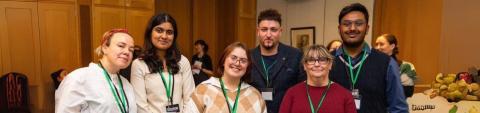
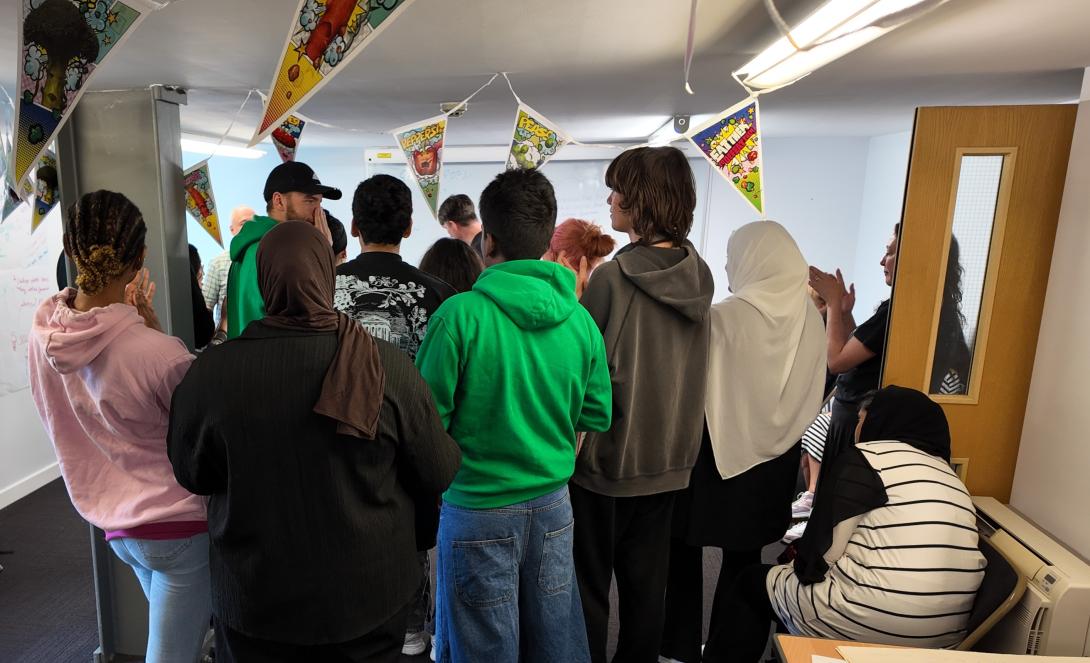
Every summer, around 20 Young Food Ambassadors (YFAs), aged between 14 to 25, come together for a few days away from home. This is the YFA residential.
It is many things: a chance for Ambassadors to meet like-minded young people from across the UK; a time to chat and catch up with old friends they might usually only see online; a time to learn new skills, brainstorm campaign ideas, and spend time with others who care about the same things.
For Jacob, one of the original Food Ambassadors from Glasgow, the residential is about what happens when young people come together with a shared belief that things can be different: "For me, the YFA residential is a chance for young people to come together and say: 'This is not how the world should be, and we can help change it'.
"It gives us a space to connect with other Ambassadors, share our personal experiences and learn skills from each other.”
But it’s also about having fun. There’s good food, plenty of conversations, new friendships, old friends catching up, and this year, we even had a delicious chocolate birthday cake! All in all, the residential is a chance to step away from everyday life for a little while and be part of a community that’s growing all the time.
And community is exactly what the residential is all about. As Rushda, from Halifax, explains: "The YFA residential means being present in a room where nobody has to explain why food matters.
"Although we come different places and have different experiences, we still share the same belief that everyone deserves access to good, healthy and nutritious food.
"For me, it is a space in which I can share my experiences not just as something I’ve been through but rather something that can help create change. It’s really nice being around people who understand why these issues matter without having to explain yourself.”
Mithesh, from Belfast, echoes this sentiment: "The residential meant a lot to me because it was the one time during the summer, where I could get together with like-minded people and have meaningful discussions while having good food and fun.
"It's a great initiative by the Food Foundation as it introduces you to new people from around the UK that you would’ve never thought you could’ve bonded with.”
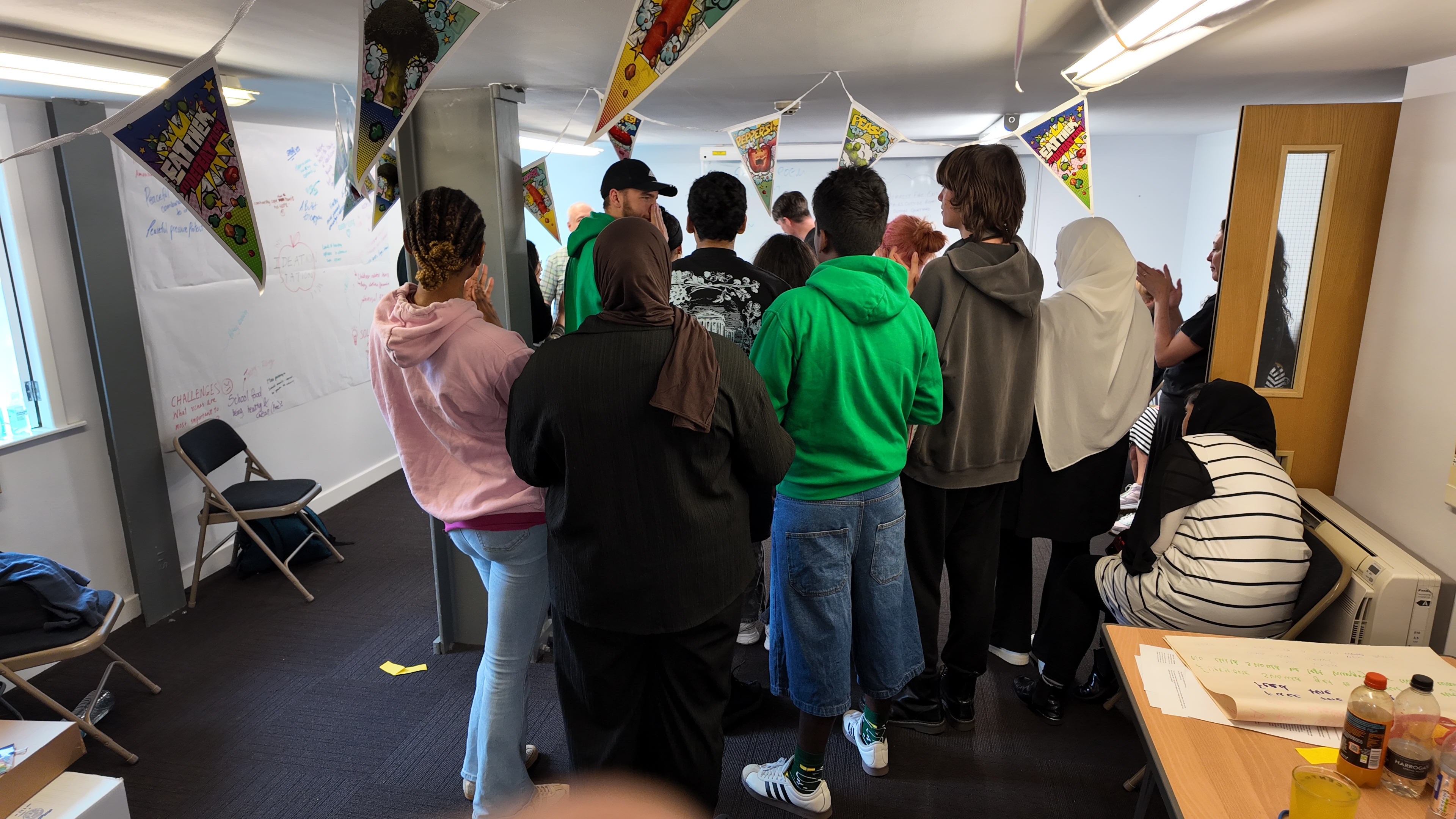
The YFAs are an amazing, diverse bunch. From Rhyl to Portsmouth, Glasgow to Belfast, while some YFAs are already experienced campaigners, others are brand new.
Despite their differences, what unites them is a passion for making good food fair and accessible, and the courage to stand up and make change. Whether it’s improving school food or banning junk food ads, when the YFAs come together, their collective power is huge.
As Mithesh says: "When we come together our activism is at its highest. One person couldn’t campaign for healthier food or Free School Meals - it’s a collective effort.
"By coming together, not only do we physically have more people, we logically have more people bringing in different ideas from various perspectives and experiences.”
Rushda describes that same sense of collective strength: "I believe we’re much stronger when we come together because everyone brings something different and meaningful.
"The residential gives us support, enjoyment and motivation to grow together with collective strength to ensure those voices beyond the room and into the spaces in which decisions are made."
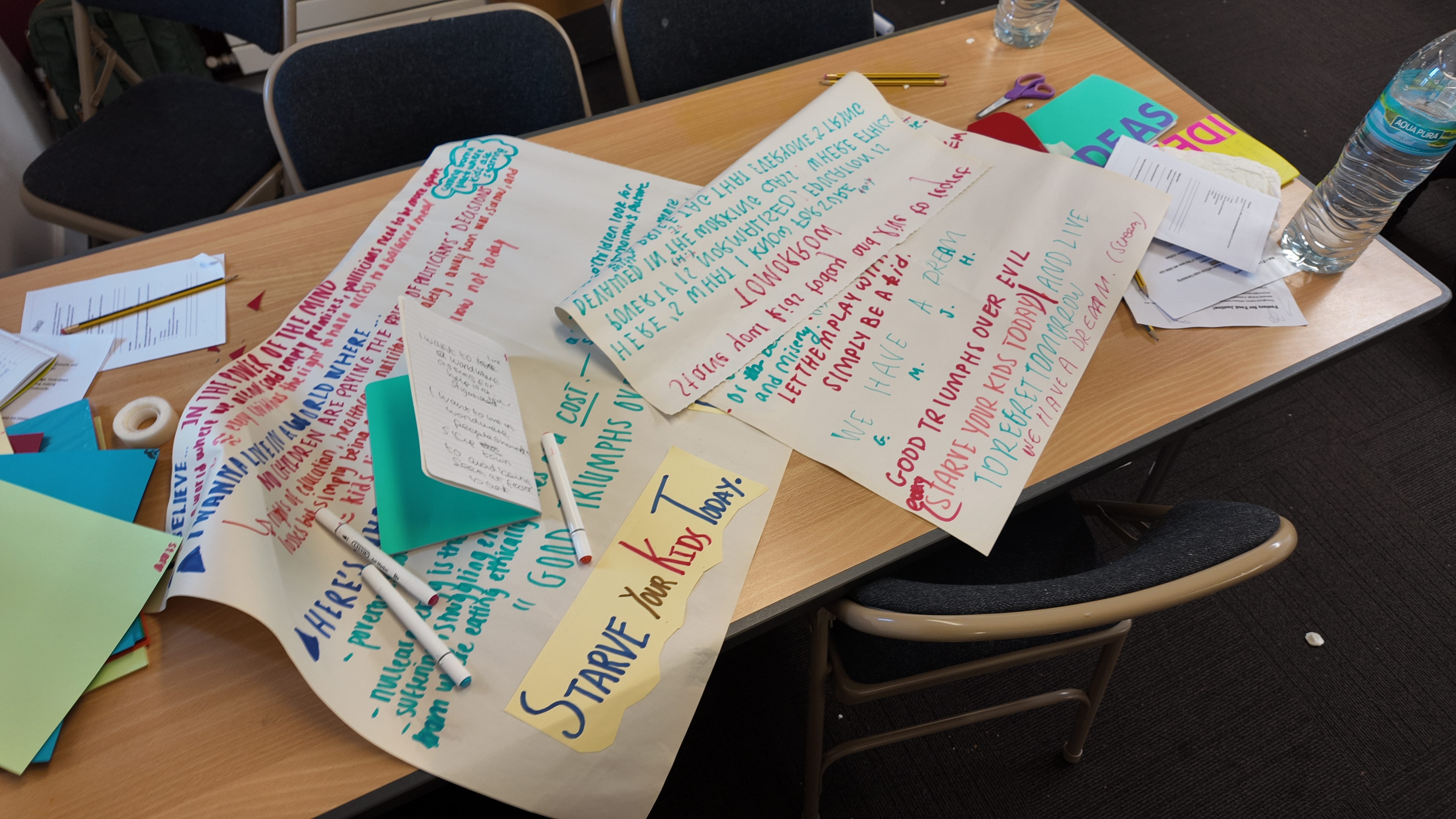
The Food Ambassador programme aims to build knowledge, confidence, campaigning skills, and networks, prioritising those with lived experience of food insecurity.
"The residential takes this further, creating a space where young people can learn from one another and turn their experiences into action. For a long time, older YFAs like Jacob, this means stepping up to ensure the knowledge built by one generation of Ambassadors is passed on to the next.
"The older YFAs have learned so much over time and now it’s time for the younger YFAs to inspire and continue using our voices for change in a space that requires it. And tell them: here is the torch, take the message and make the movement grow further,” he said.
The older YFAs have spent years learning, campaigning and finding their voices. Now, they can share what they’ve learned with the next generation of YFAs, who can take those lessons and make the movement their own. This is what the residential really is. It’s not just a few days away in the summer. It’s about building something that lasts.
And what is it that they’re building? A space at the table.
Mithesh explains: "The worlds of food policy and activism definitely DON’T listen enough to young people even if we try to be vocal about our cause. Those in power constantly overlook young people as ‘they couldn’t know any better because they’re young’.
"However, there are young people like me who genuinely want to campaign for free and healthy school meals because we believe it will have great benefits for students. Even though organisations like The Food Foundation amplify our voice, we need policymakers to not only listen to us but actually consider and implement those changes."
Food activism can feel like a big challenge because, well, it is. But when you’re surrounded by people who care, who have experienced the same things as you, or who have had very different lives but are willing and keen to understand, it can feel a little less daunting, a little less lonely.
At its core, the residential is about hope. It’s about friendships that continue after everyone goes home. It’s about turning injustice into campaigns for a better world. It’s about learning from each other, celebrating each other, and knowing that there are people miles away who are in this with you. It’s more laughter. More ideas. More confidence. More reasons to keep going.
It’s about making sure that when decisions about food are being made, young people aren’t an afterthought.
To conclude, a quote from Rushda, that everyone ought to hear: "Food insecurity is not simply about individual choices. When healthy food is unaffordable or inaccessible, young people feel the consequences in our health, education, opportunities and even everyday life.
"Our experiences are not just stories to listen to. They are evidence of what needs to change."