19 August 2026
Food Prices Tracker: August 2026
By Project Officer Finlay Hatch
What’s happening to food prices in the UK?
According to figures published today by the Office for National Statistics (ONS), food and non-alcoholic beverage inflation has decreased from 1.7% in the 12 months to June 2026 to 1.3%, with overall inflation currently at 3.1% (CPIH).
The ONS found that the price of food has increased by 30.1% between April 2022 and July 2026.
Harvest across UK and Europe severely damaged by drought
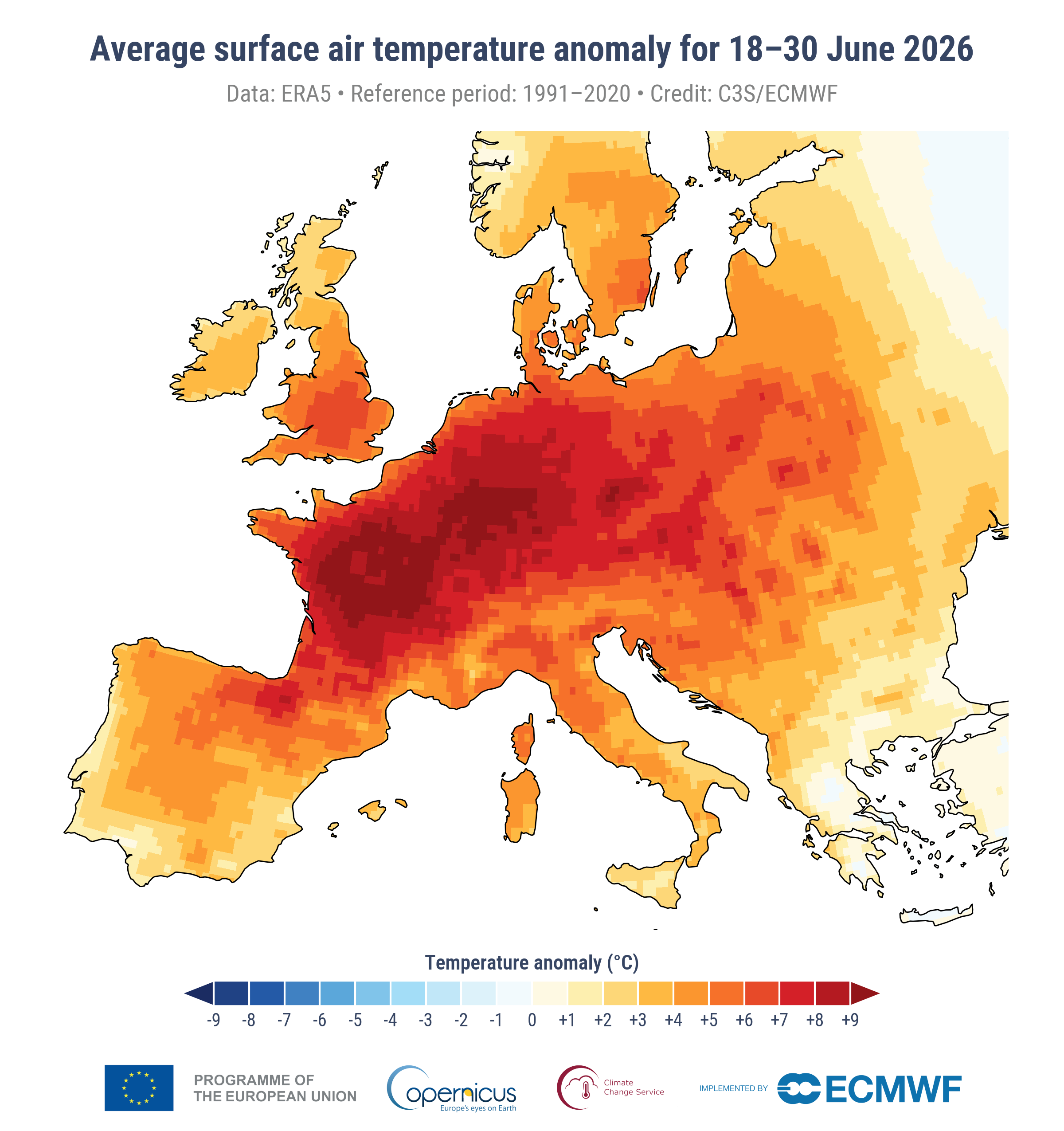
Following the driest July since records began in 1836, the UK has just gone through an unprecedented fifth heatwave of the summer, with 71% of England and the entirety of Wales now in drought, at the time of writing.
The combination of no rain, high temperatures and resultant wildfires spells trouble for agricultural yields in the UK and across Europe, harming farmers today and consumers over the next few months, as poor harvests drive up food prices.
Tom Lancaster, a Land, Food and Farming Analyst at the Energy and Climate Intelligence Unit, told the BBC that: "Farming is now the sector most exposed to climate change and the risks and damage that it brings."
Fruit, vegetables, meat and dairy are the food categories for which consumers will likely feel the pinch most immediately. Grain harvests have been equally hurt, but prices are set by a global market and so will be less vulnerable to localised conditions, though with much of Europe affected, prices may still go up for UK citizens.
However, that won't protect farmers, who, because of the global grain market, are unable to adjust their prices to reflect the drop in supply. And this is true across Europe – where citrus fruits, avocados, almonds, vineyards, olive groves, salad leaves, carrots, leeks, garlic and onions, grapes, cereals and crops for cooking oils are all set to be massively impacted by increased temperatures and droughts.
In fact, whilst the UK has experienced wildfires and drought over the summer, it is still less exposed to climate change than many of its global suppliers of healthy staple foods. Of the top 20 countries the UK imports fruit and vegetables from, 90% are moderately to severely vulnerable to climate change.
Climate change to blame
It's important to note that this year's poor harvest has not come out of nowhere. Wetter winters and hotter, drier summers are made possible by human-induced climate change caused primarily by the burning of fossil fuels, but also by deforestation and nature loss from agriculture.
Higher concentrations of CO2 in the atmosphere have led global average temperatures to rise and extreme weather like that seen across Europe this summer to become the norm. At the same time, biodiversity collapse makes both humans and our planet much more vulnerable to the impacts of climate change.
The progression in extreme weather year on year has been striking, resulting in some of the worst harvests the UK has seen. Last year was the fifth worst harvest since records began and this year will likely be the very worst.
It now looks increasingly likely that "four of the five worst harvests on record will have occurred this decade (2020, 2024, 2025 and 2026)". This pattern makes clear that global warming is proceeding even faster than feared, having moved to a level where it is causing daily disruption across the planet.
Incoming Super El Nino
And the trend will continue into 2027, as the world braces for what is set to be the most extreme 'El Niño' on record, sending global temperatures further soaring and unleashing yet more extreme weather across the globe, impacting the harvests of countries from which we import much of our food.
It will undoubtedly drive-up food prices yet further, cause food insecurity to spike and create huge economic losses across the global economy.
What can be done?
The only way to slow the current trajectory towards ever more extreme and unpredictable weather is to achieve Net Zero. In the meantime, however, there are steps the UK government can take to adapt and improve our food system to make us more resilient to the changes we are already experiencing.
Recommendations
Steps should also be taken to ensure that production can adapt to a changing climate. Our new report, Farming For 5-A-Day, sets out how the UK can increase the supply of fruit, vegetables, beans and pulses in a changing climate.
Read the report here for more details, but some of the key policy asks are:
1. Bolster food security and set statutory horticulture targets via a Good Food Bill
A Good Food Bill would put food where it belongs: at the heart of national strategy. It would give successive governments clear responsibility to improve the food system and lower levels of food insecurity.
To reduce our vulnerability to extreme weather across Europe, we need to start growing more of our own fruit and vegetables. We currently import 80% of our fruit and 47% of our veg, making us highly vulnerable to extreme weather and poor harvests in the countries we import from, most of which are more climate vulnerable than the UK.
A Good Food Bill could include a legally binding target to increase the national average consumption of fruit and veg among children, and to increase, by 2040, the proportion of fruit and veg supply produced in Britain.
2. Increase demand and affordable access to fruit and veg
Steps must be taken to protect low-income households, for whom the ability to afford a healthy diet is being eroded by poor harvests and a lack of government action on food insecurity.
A first step would be to strengthen nutritional safety-net schemes that support low-income children through the expansion of the Healthy Start programme.
3. Invest in production and farm resilience
Government should enable and incentivise the private sector to invest in horticulture. We need to see more funding for R&D in climate-resilient crops, especially beans, as well as farm-wide adaptations through improved water and energy efficiency.
The weather this summer has bought the need to improve our food system sharply into focus – we need to government to take action to protect us from yet many more summers like this to come.
- If you’d like to be kept informed as the situation develops sign up to our newsletter.