21 May 2026
Is the cost of living package enough to ensure everyone has access to healthy food?
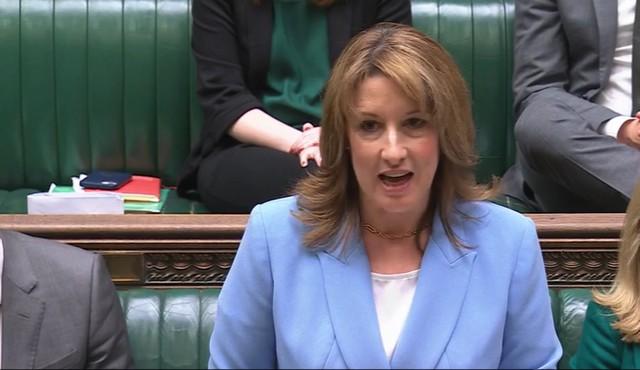
The government has announced a new cost of living package, our Head of Policy and Advocacy Hannah Brinsden explores whether it's enough to ensure everyone has access to healthy, affordable food
It’s about time that the Government starts to think seriously about how to help households with the cost of living, particularly with food prices expected to rise later this year.
While this month’s inflation figures fell slightly, this is anticipated to be a temporary drop ahead of food price rises later this year. Getting ahead of these rises with support for families is critical for protecting households from the worst of these rises.
When prices rise, so too does food insecurity. And when people are food insecure they are forced to cut back on healthy essentials such as fruit and veg. Affording a healthy diet is already hard for many families, and it is these families that we need to prioritise for protection from cost of living challenges.
In Rachel Reeves’ speech today she launched a "Great British Summer Savings" scheme, with a number of measures to support families, including:
- Free bus travel for children in August – Providing free bus travel during the Summer holidays could provide relief for families who are reliant on bus travel to get around. In turn this could help relieve some budget pressures for households with children, with estimates of savings up to £27 over the month of August, that could instead be used on food. This is particularly important over the summer months when children are not able to access school meals
- Cut tariffs on around 100 food items – Tariffs are a type of tax that businesses pay on imported products. Cutting the tariffs could help protect families from some of the anticipated food price rises expected later this year, but only so long as these price reductions are passed onto shoppers by food businesses. We’re still waiting for the list of products that will be included to be published, but there is concern that it will not be sufficiently targeted around staples and healthy food - such as fruit, veg, milk and bread. So far, the government has mentioned ‘biscuits, chocolate and dried fruit and nuts’ as being in scope. There is also a potential risk that it could disincentivise local sourcing as some imported goods may become cheaper than British ones, although the government has said the list of products within scope does not include items where British farmers produce a significant share of supply.
- A VAT cut during the Summer holidays on ticket prices for families at various attractions such as theme parks, zoos and museums – the discount will also apply to children's entry to cinemas, soft play and theatres, as well as children's meals in restaurants and cafes. While this will help families during the Summer holidays, once again it will be up to businesses to decide whether they pass on any VAT cost savings onto customers or not. Again, while this may support families to pass on any savings for food, there are concerns that this may not be supporting families to access healthy food. The Soil Association’s Out to Lunch campaign evaluates food quality and healthiness for children at UK family attractions and has historically exposed a lack of healthy options and a high frequency of unhealthy children's meal deals at popular theme parks.
A hotly debated voluntary price cap in exchange for weakened health and environmental policies fortunately didn’t make the cut in today’s speech. The proposals, leaked earlier this week, had two glaring issues from the perspective of health and providing meaningful support for those who need it during a cost of living crisis.
Firstly, we know that voluntary food policies simply do not work. History has shown us this time and time again. Businesses need and want a level playing field, and a voluntary price intervention won’t achieve this.
Secondly, the suggestion that companies do this in return for the government dropping planned and proven health and environmental interventions is a straightforward trade-off of the long-term gains of future proofing our food system in return for short term eye-catching headlines.
And without helping families with what they really need – more money in their pocket to afford healthy food. There is little evidence that health regulations push up food prices in the way industry sometimes claims - and it is worth being clear-eyed about the fact that delays to regulation tend to benefit industry, not consumers.
We have been here before: the previous government delayed restrictions on junk food advertising repeatedly, using the unevidenced argument that regulation would harm the cost of living. The result was that a policy with clear public health benefits took a staggering eight years to implement - time during which children continued to be bombarded with unhealthy food marketing.
This government should not repeat that mistake. If anything, the cost of living crisis adds urgency to the need for strong health policies to mitigate some of the long-term impacts ongoing cost of living pressures could have on diet and health inequalities.
Poor diet driven by food insecurity doesn't just harm health - it drives down productivity and deepens economic hardship, creating a vicious cycle.
Boosting access to healthy food and tackling the dominance of unhealthy food are two sides of the same coin, both requiring government action.
Price promotions are a good example: they are overwhelmingly concentrated on less healthy categories, and the food industry knows that promotions in these categories are expandable - people end up buying more than they planned and spending more than they intended.
This is not a neutral market dynamic; it is an engineered one. Trading these levers off against each other in a cost of living crisis is a false economy and will ultimately result in a failure to meet the core missions of this government - healthy children, higher productivity, and an improved economy.
To help families through a cost of living crisis, and through the predicted price increases, the government needs to build on today’s package and put more focus on supporting access to healthy and affordable food.
This is a gap in the government’s current plans. As mentioned, the tariff relief on common basket items announced in Reeves’ speech is not specifically targeted towards healthier foods, which could be problematic when you consider healthier calories are already twice as expensive as less healthy calories.
The VAT cut on children’s meals at restaurants and cafes in family attractions may not also support with access towards healthier foods. Interventions must go beyond business relief interventions to include more targeted support for families trying to access healthy and essential food. For example:
- Schemes such as Healthy Start are an excellent win-win, where support is targeted to families with young children most in need, while specifically helping them to access healthy food they would otherwise be forced to cut back on.
- Similarly, more concrete action in line with CMA recommendations on formula prices, is another way in which families who are reliant on first infant formula for their babies can be supported with providing this essential nutrition.
At the same time, we need to clean up our food environment to reduce exposure to unhealthy food. It is simply wrong to suggest that expected food price rises can be softened by giving families greater access to less healthy food - yet that is precisely what dropping planned regulation in exchange for a voluntary price cap would do.
The long-term goal must be the opposite: to narrow the gap between the cost of healthy and unhealthy calories, so that affordable, nutritious food becomes the norm for families on lower incomes, not a luxury.
This risks government cost of living interventions resulting in poorer health, greater strain on the NHS, and ultimately a weaker economy. Only by taking a two-pronged approach can government meaningfully support families and prevent the worst impacts on our citizens. Dropping important health policies will only set us back.
Access to healthy and affordable food will continue to be a challenge for many families without further support from Government as part of its cost of living response.
For today at least, health and environmental policies appear to have remained safe from a harmful trade off, but it’s important we stay vigilant and don’t let our nation’s health become the biggest victim of the next cost of living crisis.