04 November 2026
Autumn Budget 2026: Breathing space today, but what about the cost of eating tomorrow?
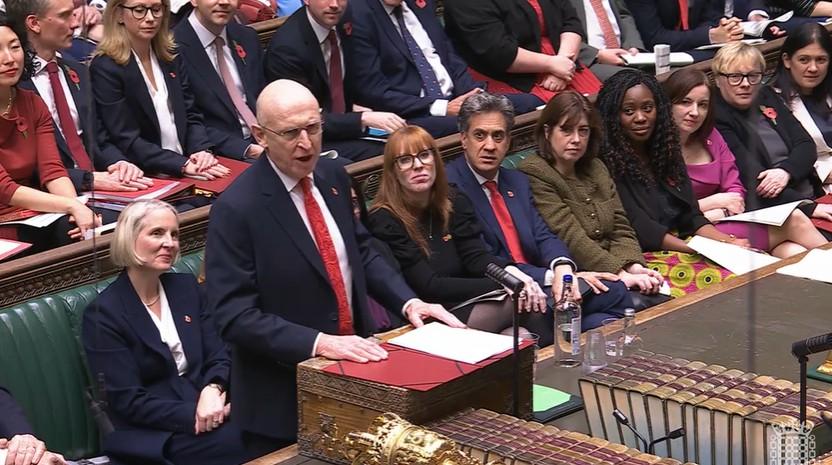
Food Foundation Public Affairs Lead Sophia Greenblat picks the bones out of new Chancellor John Healey's first Budget and examines what it means for food.
The Chancellor has delivered his Autumn Budget, the first under the Labour Government’s leadership of Andy Burnham. The key theme was clearly 'breathing space', with the phrase is mentioned 38 times in the official Budget document and 15 times in the Chancellor's speech.
Against a backdrop of rising inflation, the Chancellor announced measures to help households with the cost of living, including support for energy bills, housing, pensions and wages, alongside tariff suspensions on more than 100 imported food products.
This 'breathing space' of small measures is clearly being pitched to all voters, not just those struggling the most, indicating that there is an ongoing tension between providing universal versus targeted support.
Energy Bills and Housing
In addition to extending the VAT cut on electricity to July 2027, the Chancellor announced a £2.6 billion Household Energy Payment, providing £100 directly to eligible households in England from January 2027. The Government also committed an additional £1.5 billion to deliver around 10,000 homes, prioritising social rent.
These measures reflect the Government’s focus on easing household costs, especially energy bills which have been an ongoing focus for the Government, with the expectation that putting money back into people’s pockets will help families afford other essentials, including food.
But with food inflation expected to rise further later in the year, with the Food and drink Federation predicting it will reach 5.5% in 2027 and peak at 6.4% in July 2027, this breathing space will quickly shrink.
Pensions, national minimum and national living wage
While lowering bills is one way to help households with the cost of living, increasing wages or lowering taxes is foundational for people to afford more of life’s essentials, including healthy sustainable diets.
State pensions will rise by 3.9% from April, with the national minimum and national living wages also increasing by the same amount. However, younger workers aged 18–20 will receive a smaller increase than in the previous two years.
Pensioners on low incomes will also be shielded from income tax on their pensions, which rise above the income tax personal allowance to £13,036.
At a time when food insecurity affects 12.2% of households, these increases are welcome, but do not resolve the affordability challenge of healthy diets.
Households in the lowest income fifth would need to spend 49% of their disposable income to afford the Government-recommended healthy diet, rising to 85% for those with children. Economic pressures continue to put a healthy diet out of reach for many, leaving the NHS to deal with the consequences.
Suspension of tariffs on UK imports of food products
In June, the Government announced a package of tariff suspensions on food tariffs. This Budget, the Chancellor announced an extension of suspended tariffs on UK imports of over 100 food products.
This includes products like baked beans, gherkins, toffees, chocolates and sweets. While these measures could make these products cheaper, they mainly affect the businesses buying these products with savings not fully being passed on to the consumer, with the Government estimating it will only save families £21 a year.
Additionally, the products listed do not align with the actual food that is required to meeting the Government recommended healthy diet, and where we see the greatest diet inequalities. They also fail to address the cost of healthy food, which is now more than twice as expensive per calorie as less healthy foods.
There was also a notable absence of any mention of policies like the expansion of Free School Meals or Breakfast Clubs, which the Government has already enacted, and provide a nutritional safety net for families with young children of school age.
This could indicate the Government feels like they have done enough but could also be because their attention is focused on cutting costs elsewhere.
Missed opportunities and what we would like to see
The Budget recognises that people across the UK continue to struggle with the cost of living, but while significant measures have been announced on energy bills, the same attention does not appear to have been given to the food system.
This gap is particularly concerning given the Government’s advice for people to stockpile food in preparation for potential disruption. For households already struggling to afford enough food, let alone build up a surplus, this is an unrealistic expectation.
Preparedness cannot depend on households having the money and space to stockpile, so the Government will need to ensure that everyone can afford and has the means to stockpile, if they see this as a necessity.
The Budget also missed an opportunity to expand the Healthy Start scheme, which provides eligible pregnant women and families with young children with support to buy essential foods.
Currently, 750,000 pregnant women and children in low-income households are missing out because of restrictive eligibility criteria.
Extending the scheme to all families receiving Universal Credit would be a far more sensible and cost-effective investment: modelling estimates that this would return £2.36 in societal benefits for every £1 invested, worth £7.7 billion over 10 years through reductions in food insecurity, increased household disposable income and wider economic gains.
Our campaign on this has gathered substantial support including from global family expert and star of the Supernanny show Jo Frost, actor Dame Emma Thompson, chef and food campaigner Hugh Fearnley-Whittingstall and more than 100 organisations, including charities, academics, health and education bodies, businesses, local authorities and other experts.
Ultimately, the UK’s food system remains vulnerable to shocks, partly because of its reliance on imports and the absence of a coherent, long-term framework for food security.
That is why we want to see a Good Food Bill that sets out a coherent, long-term plan for the food system, brings government departments together behind legally binding targets and safeguards the population against future shocks.
This Bill already has the support from more than 100 leaders from across sectors, including business, investment companies, faming and health organisations, and civil society.
It is also popular with the public with a net 78% of all those polled being supportive. It is time the Government take action on food to make sure everyone can afford healthy, sustainable diets.