
01 May 2026
Survey finds millions in UK turning to weight loss drugs amid concerns over access and long-term impacts
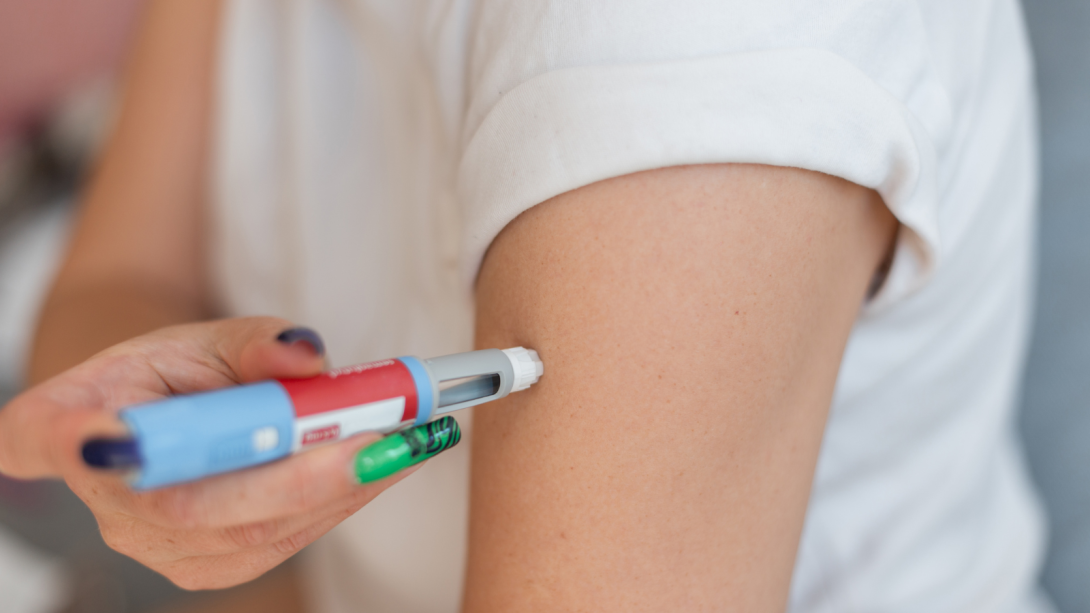
New survey finds millions in the UK turning to GLP-1 weight loss drugs amid concerns over equity of access and longer-term impacts
New data reveals that an estimated 8.25 million people in the UK have either taken, are taking or are considering taking GLP-1 weight loss medications, highlighting a rapid surge in demand that is outpacing NHS capacity and raising concerns about health equity and long-term outcomes.
A new report published today by The Food Foundation has found that:
- Nearly 7% of the UK population are using or have used GLP-1 drugs(1)
- A further 8% of adults have considered or are considering using them
- Together, this equates to 8.25 million people in the UK turning to GLP-1 weight loss drugs
- With demand and uptake outpacing NHS capacity, the vast majority of people taking the drugs are using private prescriptions, risking lack of appropriate care and further entrenchment of health inequalities
- Regulation of the UK’s food system, which currently favours and promotes cheap, processed unhealthy products, is still crucial to ensure the wider population, as well as those coming off the drugs, are able to afford and access healthy diets
High uptake levels, with vast majority prescribed privately
A nationally representative survey conducted by The Food Foundation in January 2026 found that nearly 7% of the UK population have already used GLP-1 drugs, while a further 8% are considering or have considered taking them.
This sharp rise reflects growing awareness and interest in these medications, with 66% of the UK’s population currently living with obesity and overweight. It has also been estimated 29 million people in England are technically eligible to receive the drug on the NHS.
However, the NHS is unlikely to meet this demand, with current plans aiming to reach 220,000 people over three years from June 2025, and with a target of reaching 3.4 million people over 12 years, creating a significant gap between need and access.
Current research estimates that around 90% of UK patients are now accessing GLP-1s privately or off-label. The report raises concerns about unsafe or unregulated use, including a growing black market, and the lack of behavioural and psychological support for private users. This is especially worrying as most people regain weight after stopping, making early wrap-around support crucial for long-term success.
Concerns GLP1s further entrenching health inequalities
Those from lower-income communities, who are disproportionately more likely to be living with obesity are also significantly less likely to be able to afford private prescriptions, leading to fears that current access to GLP-1 drugs risks widening existing health inequalities yet further.
The report also warns that food businesses may respond to increasing numbers of consumers taking GLP-1s by increasing the price of food to recoup any profits lost with a decline in volume sales, or by continuing to launch premium versions of preprepared meals and products that are designed and marketed to GLP-1 users. These actions which would have a disproportionate impact on low-income households.
The need to fix the food environment remains
Currently, NHS GLP-1 prescriptions last two years, but studies show rapid weight regain when patients return to a food environment where unhealthy options are more accessible and affordable than healthy ones. While some believe GLP-1s could shift diets by pushing industry toward more nutritious foods in response to changing consumer demand, relying on this is risky.
There is limited UK research on how these drugs affect food choices, and the report stresses that regulating the food environment must remain a policy priority. GLP-1s are not a silver bullet - more evidence is needed on their long-term effects, especially for children and adolescents, and on use beyond two years or repeated cycles on and off the drugs.
Whilst access via the NHS should be expanded and sped up for those who need it, regulation of the food environment is still crucial to ensure the wider population, as well as those coming off the drugs, are able to afford and access healthy diets.
Rebecca Tobi, Head of Food Business Transformation, at the Food Foundation said: "While there can be no doubt that GLP-1 drugs are a highly effective treatment option for those living with obesity and related conditions, significant questions remain about their long-term impact.
"There remain a number of gaps in the evidence base, wider unanswered questions around the potential impact on health inequities, and the risk of unintended consequences from unregulated online prescription of the drugs and their long-term use.
"The government must remain focussed on the wider prevention agenda. And food businesses and investors must continue to ensure wholesale shifts in portfolios towards food offerings that are both healthy and affordable."
Katharine Jenner, Executive Director of Obesity Health Alliance, said: "There is a real risk that those who would benefit most are the least able to access these medicines - either at all, or as intended alongside the wraparound support needed to sustain weight loss.
"Expanding NHS access is necessary, but only part of the answer. These medicines should be a reset moment to improve the food environment, while also supporting the health of people living with obesity. Lasting progress will depend on doing both."
Antony Yousefian, General Partner at The First Thirty, said: "GLP-1s are becoming a major disruptor of the food system, and how they play out in the UK will reshape product demand, portfolios, pricing, and business strategy.
"The clearest opportunity for investors and companies is to back the categories that benefit most from wider GLP-1 use, particularly minimally processed foods and fresh produce.
"These are also the categories that support public health and UK economic productivity. But pharmaceuticals alone won’t fix a food system that drives ill health in the first place.
"That requires well-designed government regulation focused on prevention, alongside continued investment in treatment options for obesity."
A Food Foundation Food Ambassador said: "A big issue for me is affordability. I’ve asked my GP about accessing weight loss drugs on the NHS and was told the waiting list was 1-2 years. This is even though the GP told me I need to lose weight.
"I’ve asked friends who pay privately for weight loss drugs how much they spend and done my own research....When I calculated the costs, it came to be as high as £2,500 a year.
"For someone on benefits, this kind of cost is impossible... When people are under pressure or desperate, they take risks. I know someone buying the weight loss drug Retatrutide privately even though it is still in clinical trials in the UK."
FOOTNOTES
(1) The Food Foundation commissioned YouGov to conduct a survey of 6044 adults in the UK between 23rd January - 3rd February 2026. The survey was carried out online. The figures have been weighted and are representative of all UK adults 18+. The figures presented from the online survey have been analysed independently.
Please contact: Juliet Grant, Senior Communications Manager, The Food Foundation, on 07929 075489 or email juliet.grant@foodfoundation.org.uk
SOCIAL MEDIA
Twitter: @Food_Foundation
Instagram: food.foundation
LinkedIn: The Food Foundation
Bluesky: The Food Foundation
TikTok: thefoodfoundation
YouTube: @foodfoundation91
About The Food Foundation
The Food Foundation is a charity working to influence food policy and business practice, shaping a sustainable food system which makes healthy diets affordable and accessible for all. We work in partnership with researchers, campaigners, community bodies, industry, investors, government and citizens to galvanise the UK’s diverse agents of change, using surprising and inventive ideas to drive fundamental shifts in our food system. These efforts are based on the continual re-evaluation of opportunities for action, building and synthesising strong evidence, convening powerful coalitions, harnessing citizens’ voices and delivering impactful communications.
Registered Charity Number 1187611.


