15 July 2026
A turning point for food justice?
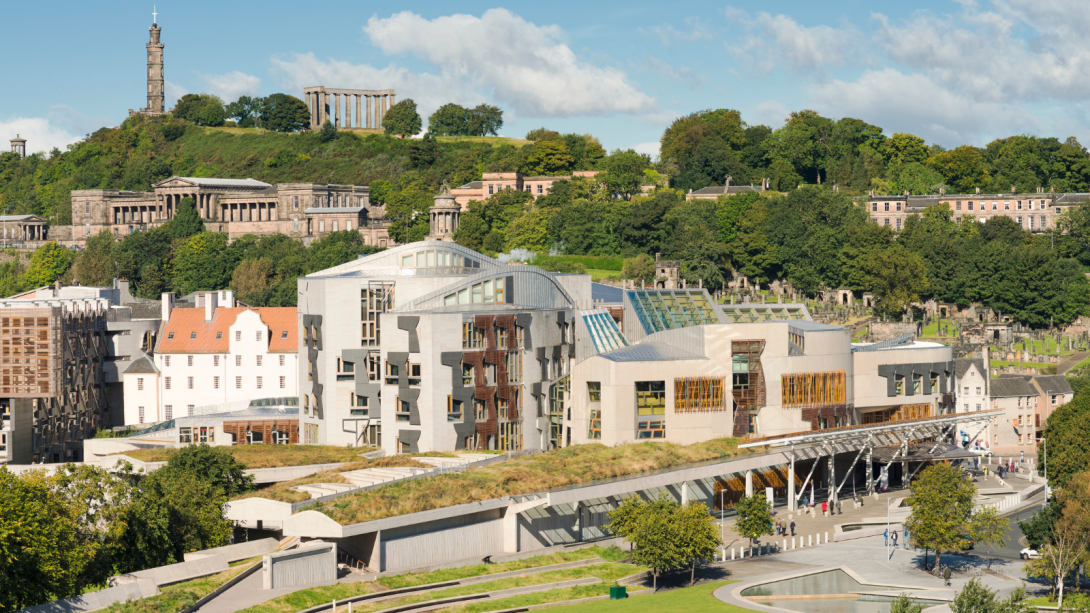
Scotland has elected a new government. But for communities across the country struggling to afford healthy food and worried about the cost of living, the real question isn't which party won - it's what happens next, as 21-year-old Glasgow Food Ambassador Jacob Joseph Kennedy, reports.
In the aftermath of the Scottish election results, attention has rightly focused on how the Scottish National Party intends to use its mandate and what policies will be introduced - such as plans for a cap on supermarket food prices.
The results will have significant outcomes for millions of people across the country who struggle to afford what is classed as a healthy diet.
During this parliamentary term, I hope that MSPs from all parties will use their time to address food insecurity and improve children’s access to a nutritious diet and strengthen Scotland's food system.
While the SNP achieved 58 out of 129 seats, this is short of an overall majority, and means the party will try to use their power to form a coalition with former coalition partners, the Scottish Greens.
But what does this mean for the support of food poverty or insecurity? Let's review what each party has said in their manifestos on these issues.
Across the Scottish political parties, there is broad agreement that the issue of child poverty needs to be reduced and that supporting children through school is important, especially through the expansion of Free School Meals and breakfast provision.
However, no party completely agrees on which policies are needed to achieve this goal. The SNP and the Scottish Greens place a strong emphasis on providing direct financial support; the SNP focuses on cash-first measures, such as the Scottish Child Payment, while the Greens promote a more universal welfare system with Free School Meals for all.
Different groups have varying views on how this should be done, with some favouring a more balanced approach, combining school food provision with a focus on public services, childcare, and early interventions, rather than giving large cash redistributions.
In contrast, others have promised to prioritise employment and tax reductions with targeted support rather than a universal distribution of wealth, preferring a more limited role for state intervention in addressing food insecurity. Overall, all parties agree on the importance of tackling child poverty but disagree on how to find solutions in areas such as universal provision, targeted welfare, or economic and employment-led policies.
What should the government prioritise? Here are my priorities:
Firstly, I believe we should reduce food insecurity by strengthening income support for all constituents.
The next priority should be about improving children's diets by expanding free school meal provision to all children across all aspects of education, while also supporting breakfast clubs around Scotland.
Lastly, we must make healthy food affordable by addressing the cost of nutritious food. This involves speaking to ambassadors like us and the companies who set the prices. I also think we should look at supporting the local food initiatives that help feed our nation, to see if we can make them a nationwide initiative.
Every five years, no matter the election, we see campaigns come and go. The one issue that usually faces the parties and their politicians is the limited time they have in parliament to make a change.
But as the Scottish Government begins its work to help Scotland and its constituents, one thing will never change: The Food Foundation and its ambassadors from all nations will work together to champion policies to reduce food insecurity, tackle child poverty, and create a food system that works for you, for me, and for everyone.