23 February 2026
Food Prices Tracker: February 2026
By Katina-Leigh Taylor
What’s happening to food prices in the UK?
Latest data from the Office of National Statistics finds that overall inflation this month has decreased from 3.6% to 3.2% (CPIH). We have also seen inflation of food and non-alcoholic beverages decrease drastically from 4.5% to 3.9%, since last month.
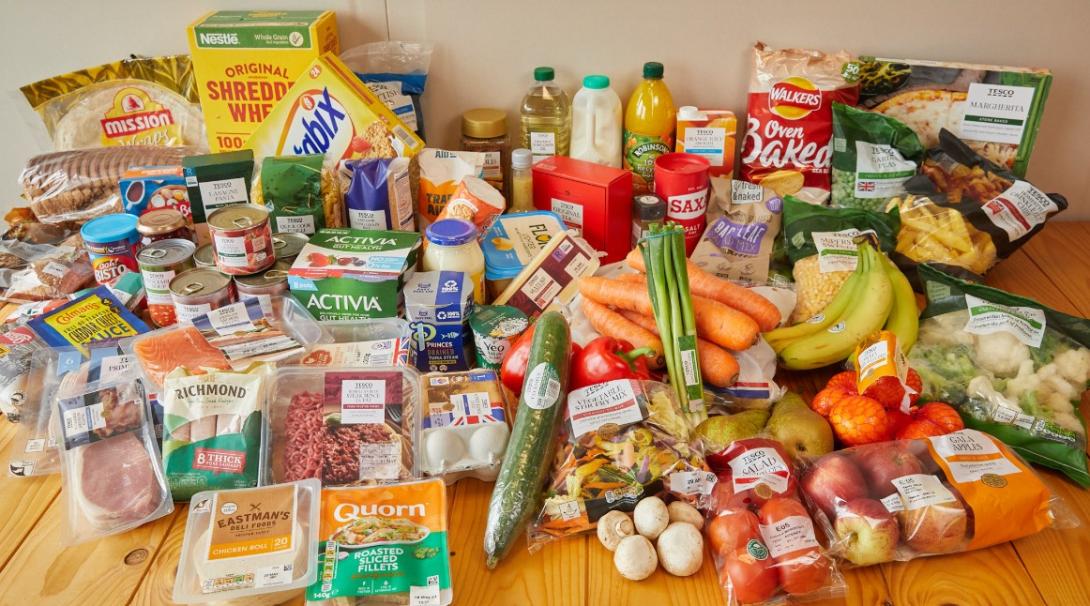
These inflationary changes are continuing to impact on people’s ability to afford the food they need each week. The Food Foundation’s Basic Basket is a shopping basket tracker which measures weekly price changes in what the average man and woman could typically eat as part of a reasonably costed, adequately nutritious diet (see FAQs for further details).
We've been tracking the cost of the Basic Basket since April 2022. Since then, the woman’s basket of food has increased in price by 30.1%, now costing £53.31 per week.
The male basket has increased by 35.9% and currently costs £59.18 per week. This illustrates that with higher levels of inflation, food prices have remained much higher than before the cost of living crisis.
These pressures are being felt most acutely by low-income households. We’ve continued to see shifts in purchasing behaviour, with families trading down to cheaper products, cutting back on fresh food, and reducing the size of their shopping baskets.
Why are we seeing these changes?
Several structural pressures continue to keep food prices elevated, including:
- Energy and input costs remaining high across the supply chain.
- Labour pressures, including increases in the minimum wage and changes to employer National Insurance contributions adding to operating costs.
- Climate impacts affecting harvests and driving volatility in key commodities.
Though there may be some relief ahead. The Food and Drink Federation (FDF) predicts that food inflation will slow in 2026, averaging 4.4% across the year and falling to 3.1% by December 2026.
While this would represent greater stability compared to food inflation seen in recent years, it would still leave food price growth above the Bank of England’s 2% target and mean citizens continue to see prices rise.
Why does this matter politically?
Concern about food prices runs extremely high for many. According to the Food Standards Agency (FSA), in December 2025 food prices were the top prompted concern among consumers (92%).
The proportion who said they were highly concerned about food prices (60%) was the highest recorded since tracking began in July 2023. This level of concern underscores how central food affordability remains to the public.
Academic research shows that rising food prices are amount to more than economic strain. They are associated with an increased probability of public protest and social unrest, acting as flashpoints for wider political instability.
Food prices are of particular significance because they are a highly visible to citizens on a daily basis and an immediate indicator of living standards. Food price shocks can amplify dissatisfaction, particularly where households feel unsupported.
At the same time, evidence suggests that policy responses make a difference. Governments that act decisively to protect household access to affordable food can reduce the risk of instability. This underlines the importance of proactive, long-term policy frameworks rather than reactive, short-term interventions.
The government has made tackling the cost of living a central political commitment. Keir Starmer has pledged to "make life better for families" and to keep inflation as low as possible.
Policies meant to help people’s incomes can sometimes push up food prices if the wider food system isn’t fixed at the same time. And for households already stretched by high food costs, even small increases at the checkout matter. If food prices remain persistently high, this risks broader narratives about economic recovery.
What a Food Bill could change?
With the nation still suffering the effects of the cost of living crisis policy makers must now take action to protect the UK’s food system from further shocks, an increasingly turbulent international context, ongoing extreme weather patterns and inflation.
Today, more than 100 major UK supermarkets, food businesses, investors, NGOs and academics have put their names to a joint statement calling for Government to introduce a new ‘Good Food Bill’ to transform the UK’s food system and ensure food and nutrition security for current and future generations. This would provide long-term protection against the ongoing challenge of high food prices that citizens continue to experience.