
Broken Plate photo-storytelling exhibition 2026
If you are viewing this page on a mobile phone, please switch to landscape mode for the best experience.
Citizens’ voices are a powerful part of The Food Foundation’s work. The Food Foundation Food Ambassador programme consists of a community of citizens from across the UK who are passionate about changing the food system. Crucially, the programme aims to amplify the voices of people with lived experience in decision-making processes, research and the media.
This year we worked with four Food Ambassadors on a Photo-Storytelling Project to bring light to the realities behind the statistics in the 2026 Broken Plate report.
This project was inspired by the work of PhotoVoice, an organisation that supports the design and delivery of participatory photography, digital storytelling and self advocacy projects for underrepresented or issue-affected groups. Using the medium of photography, the Food Ambassadors have described their food environments in order to convey their personal perspectives of the broken food system.
The Food Foundation provided support and training; however, central to the project has been the Food Ambassadors’ agency over the images they choose and the stories they share. These photographs carry messages for politicians, policymakers, and for businesses. The Food Ambassadors have used captioning to underline their experiences and call for change.
From mouldy food surplus, to the unaffordability of nutritious and sustainable items, to a food environment that bombards school children with junk food advertising. Though the topics vary, the theme of the inaccessibility of healthy food is prevalent across these pieces.





Scroll down to see Dev's photo story and use the audio player below to listen to Dev speak about it.
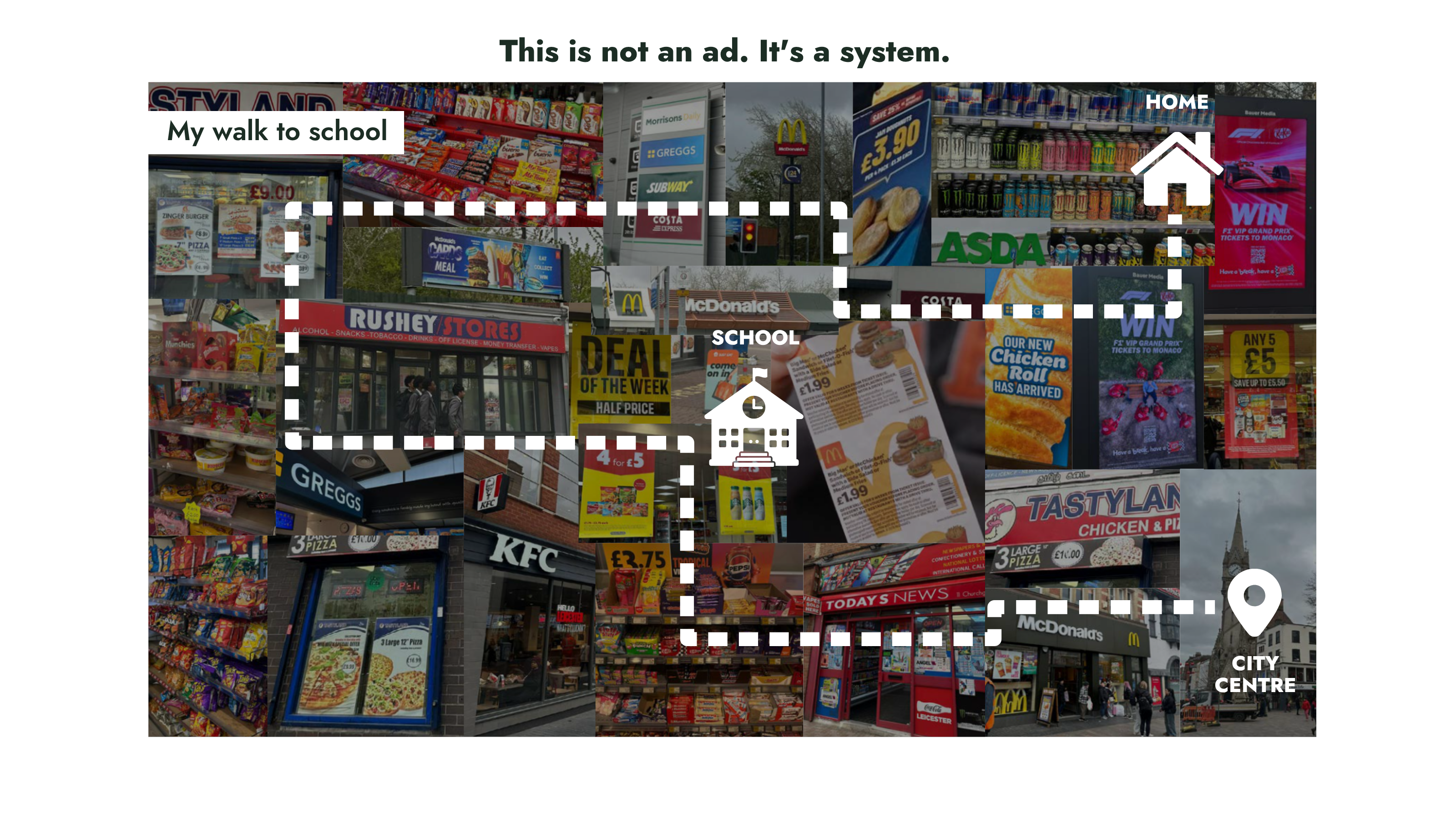
— Dev Sharma, Leicester
Grace Akinleye, Bristol

Scroll down to see Grace's photo story and use the audio player below to listen to Grace speak about it.
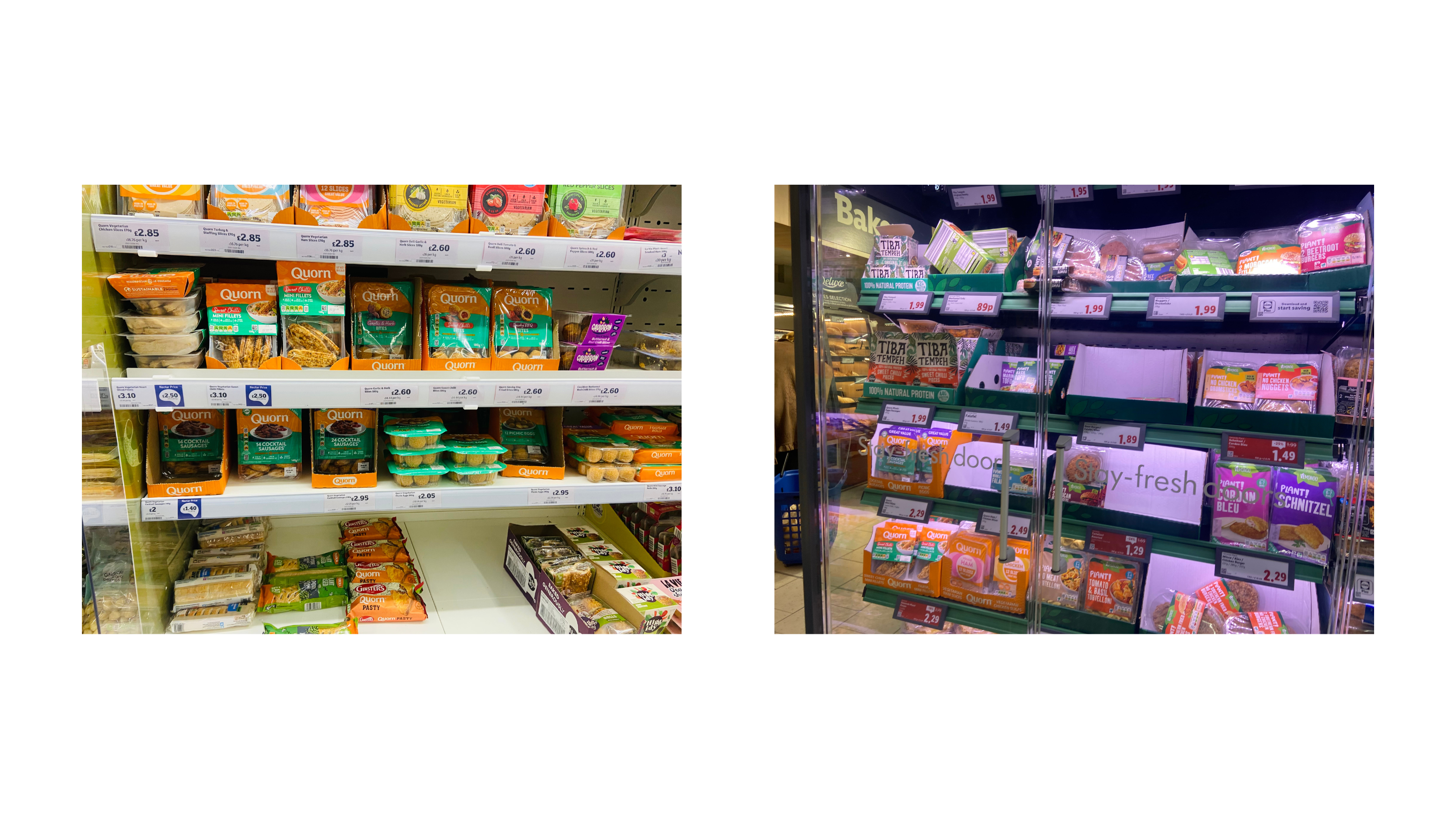
I look at the prices of these foods and I ask myself: who are these foods for? Why is a sustainable diet a luxury?
I see all this bright packaging on shelves but no promotion about them on the streets.
I feel like trying them, but I don’t know if my tastebuds will feel the same. At nearly double the price, why take the risk?
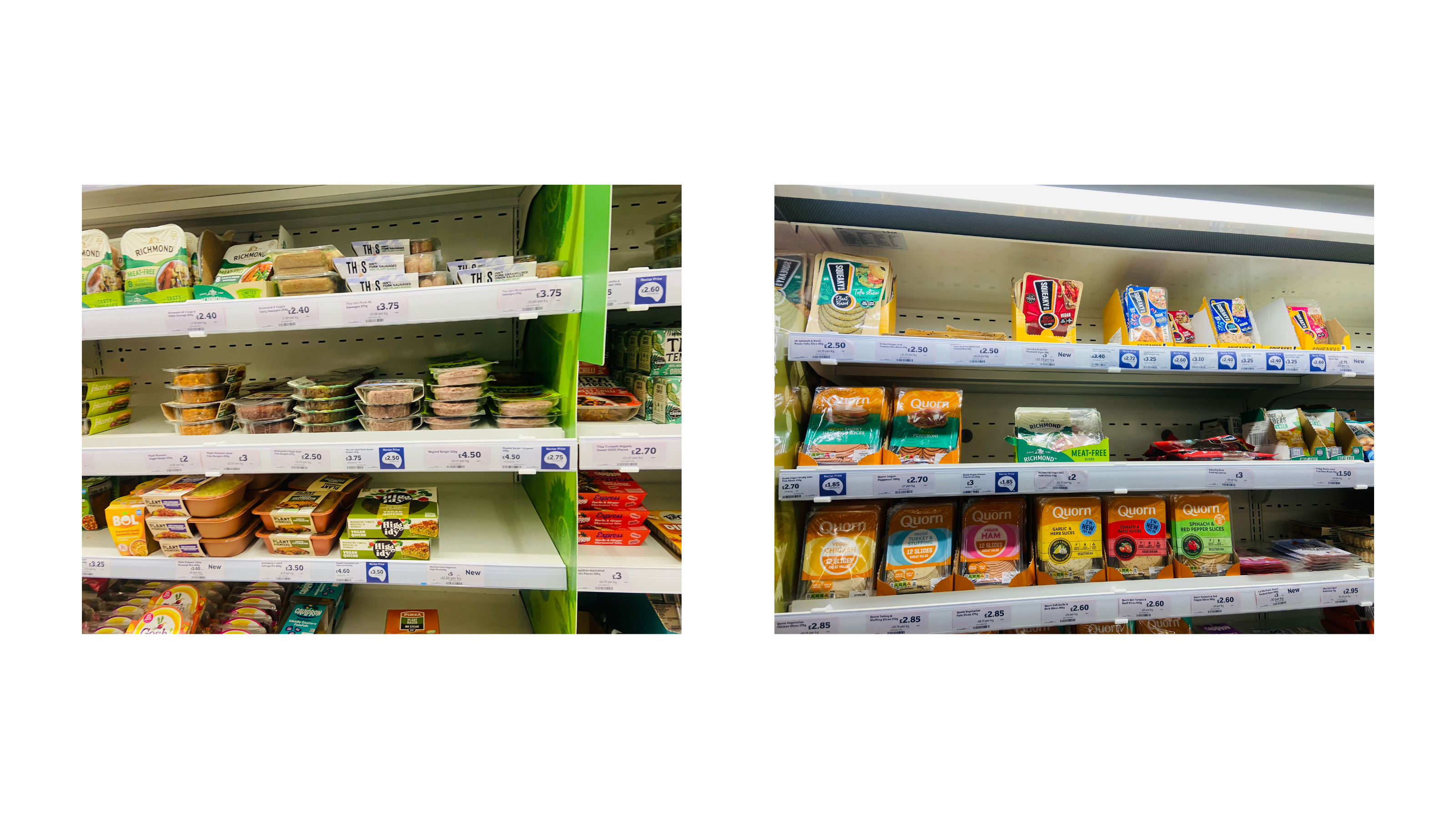
I hear media narratives claiming plantbased foods are a threat to farmers but what is the truth?
I hear all of these confusing voices and I don’t know which one is true.
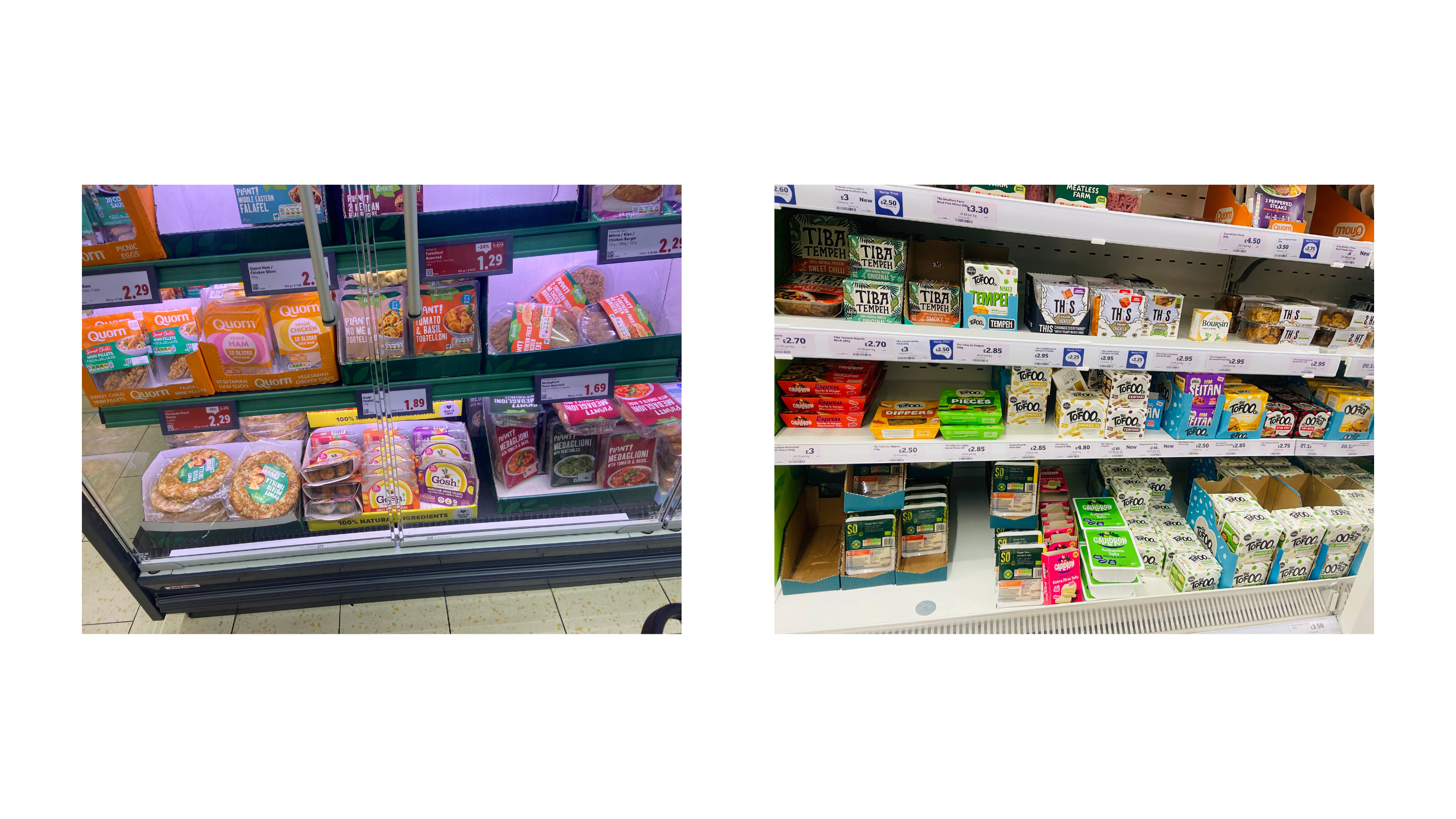
I want the Government to help people to see more, know better, hear the truth, and eat sustainably.
— Grace Akinleye, Bristol
Jo McLoughlin, London

Jo is a Food Ambassador campaigning to end food waste and food poverty, and advocating for equal access to healthy, nutritious food as a basic right, not a privilege. She lives in London, where she works with a charity rescuing surplus food to prepare weekly community meals and helps grow local produce on an urban farm supplying the local community, farm shop and nearby restaurants. Alongside this, she is studying for an MSc in Global Environment & Sustainability, specialising in food systems. Jo is passionate about challenging food inequality and the environmental damage caused by waste, and speaks out on the need for urgent, community-led action to build fairer and more sustainable food systems for all.
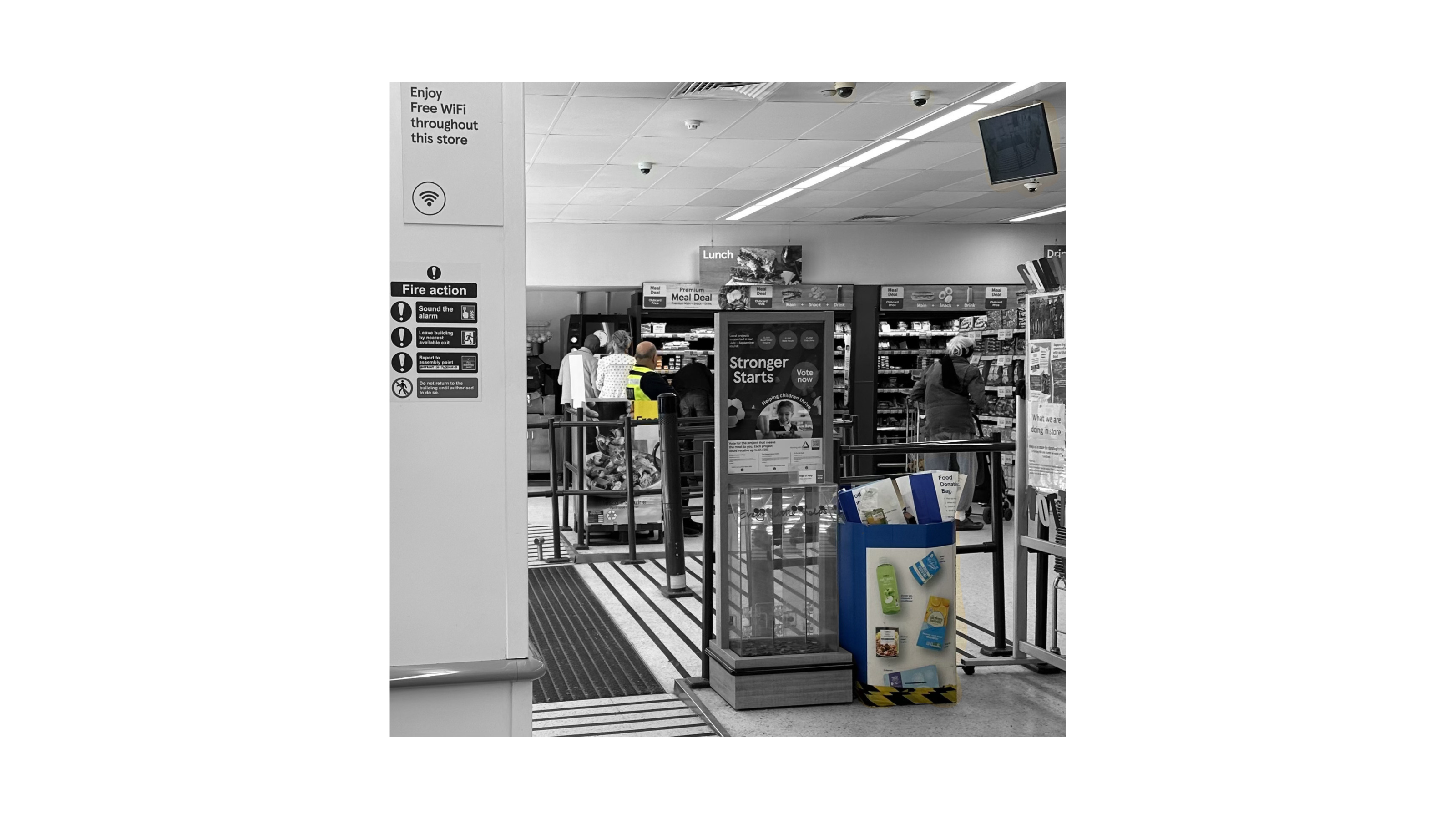
I stop at the door, already being watched. Before I even choose food, I am a risk.
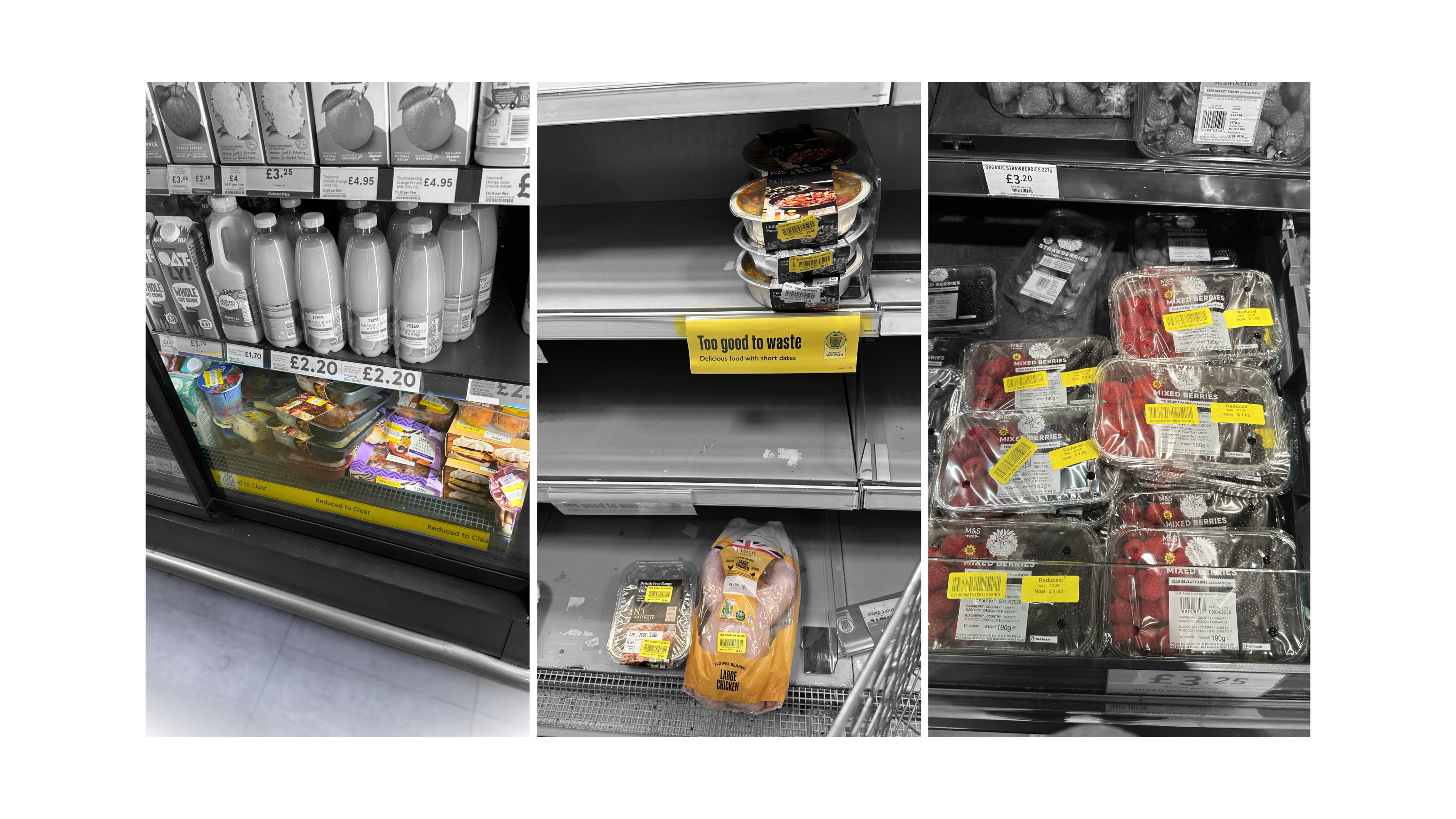
Inside, the foods that keep me healthy are priced out of reach.
Chicken. Fruit. Cheese. Not luxuries. Just tagged like them.
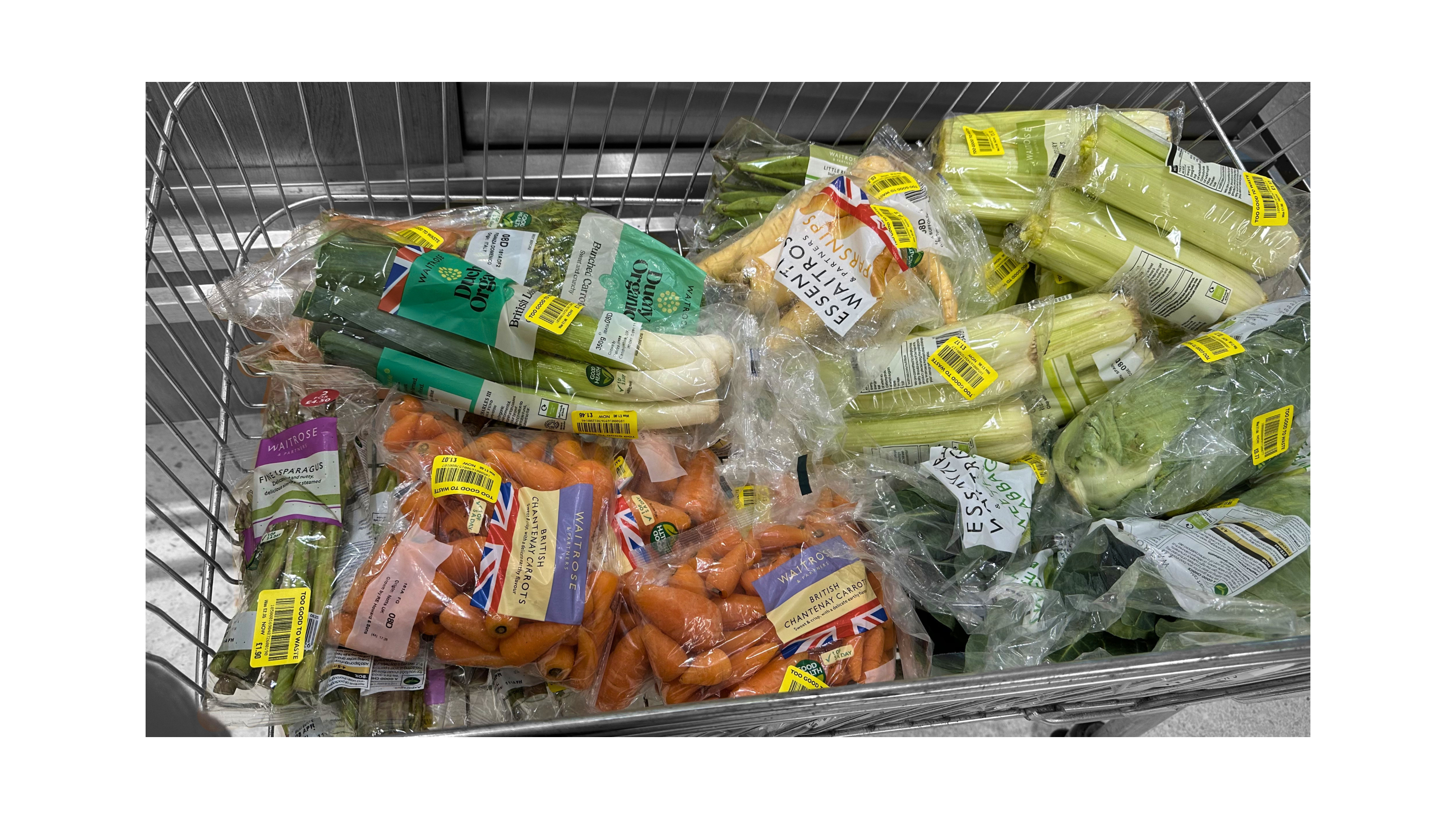
I’m a "yellow sticker girl" not by choice, by calculation.
I head for the reduced shelf, not for treats, but to plan the meals I can afford.
This isn't scarcity; it’s policy made visible.
I fill my trolley for necessity, for health.
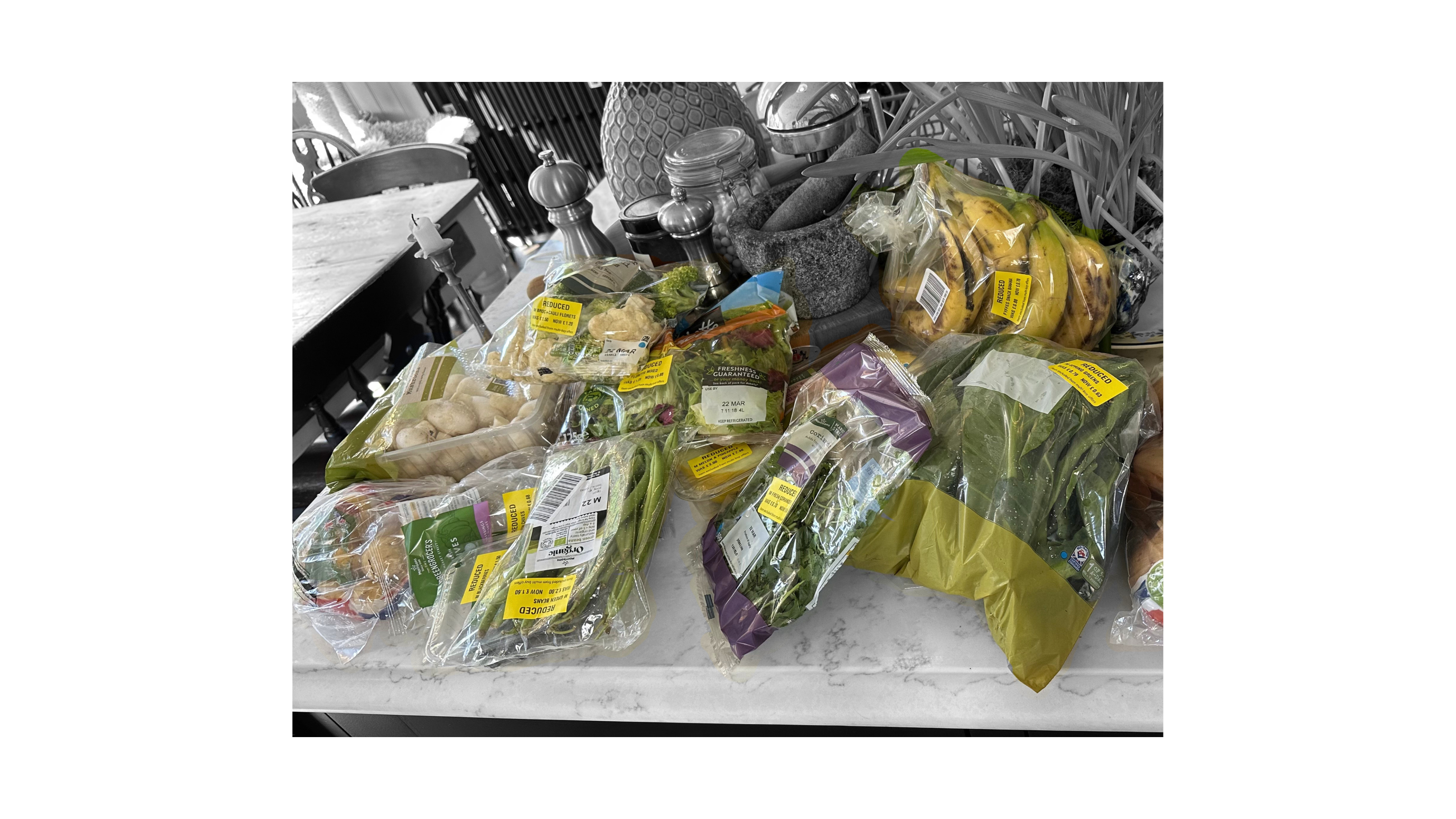
Yellow stickers: the only way to eat healthy.
The system needs fixing, not the people living inside it.
When budgeting and freezing becomes the routine, not the exception, the price was never set for us.
— Jo McLoughlin, London
Penny Walters, Byker, Newcastle
Scroll down to see Penny's photo story and use the audio player below to listen to Penny speak about it.
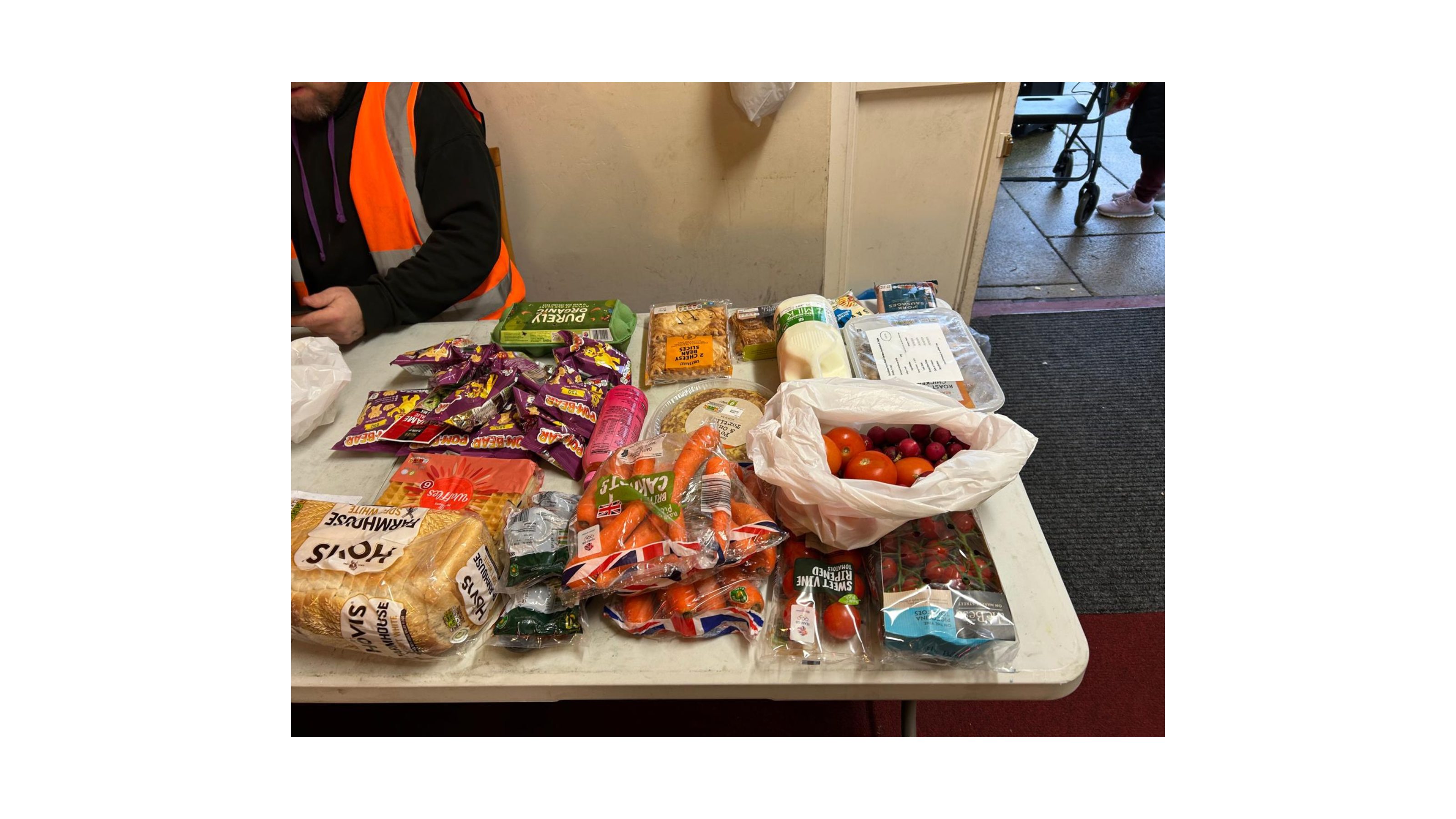
Surplus food
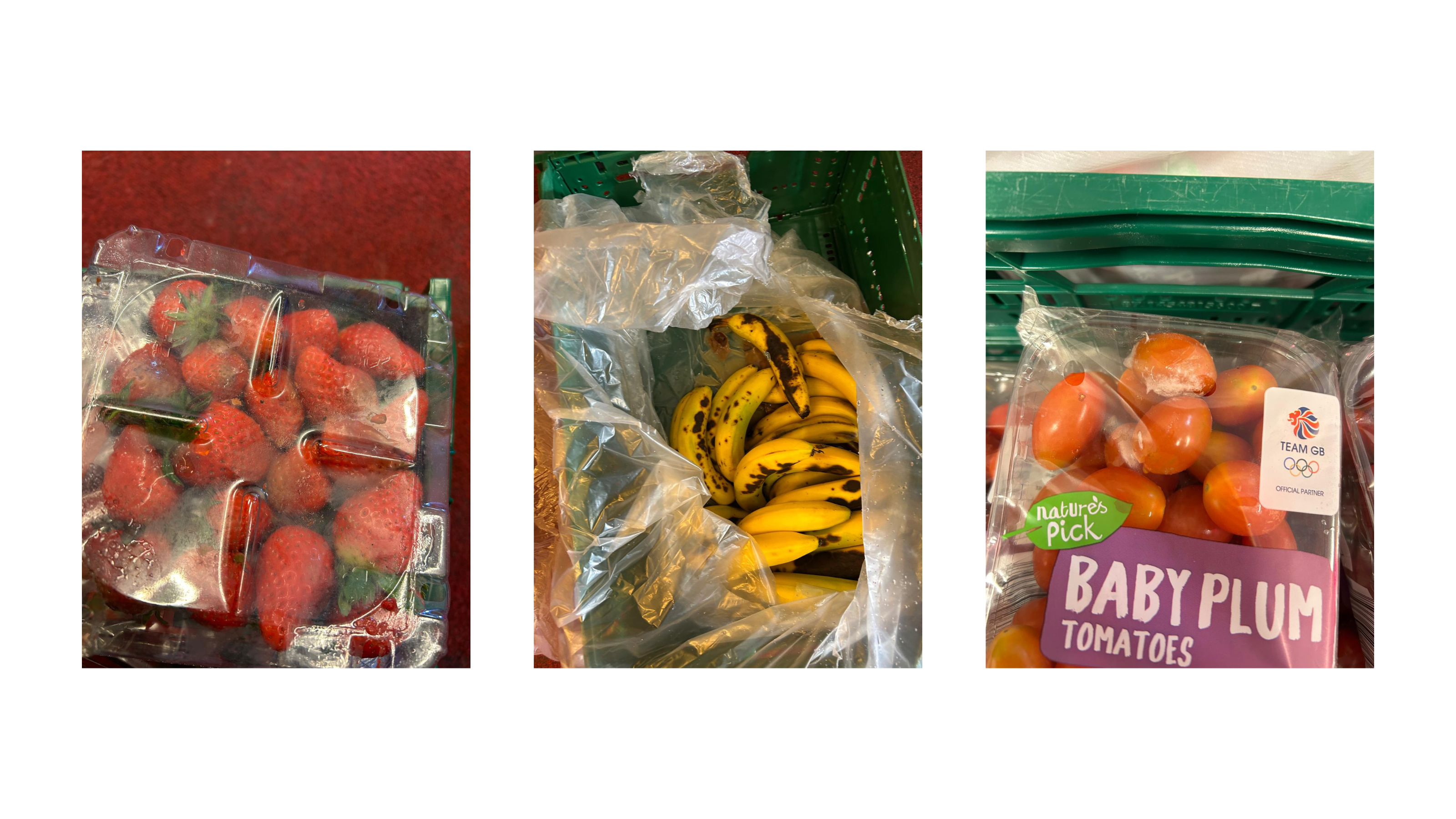
Mouldy strawberries, bananas not fit for consumption, and mouldy tomatoes
Why
Why is there so much surplus
What is going on
Why are supermarkets over ordering
There is no reason for it to be so much
Giving to the disadvantaged is good
It gives people a chance at healthy
But we are not a dumping ground
— Penny Walters, Byker, Newcastle


